Rhythm Royalty: How Tiwa Savage Became the Voice of Nigeria’s Street Music Revolution

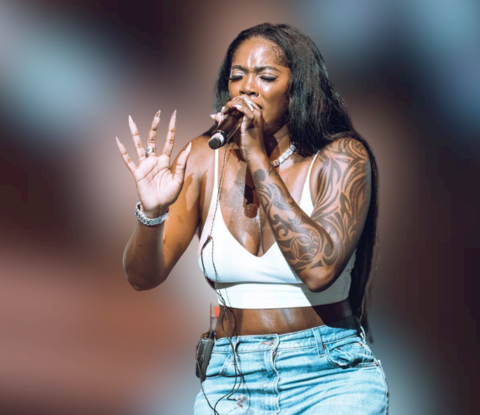
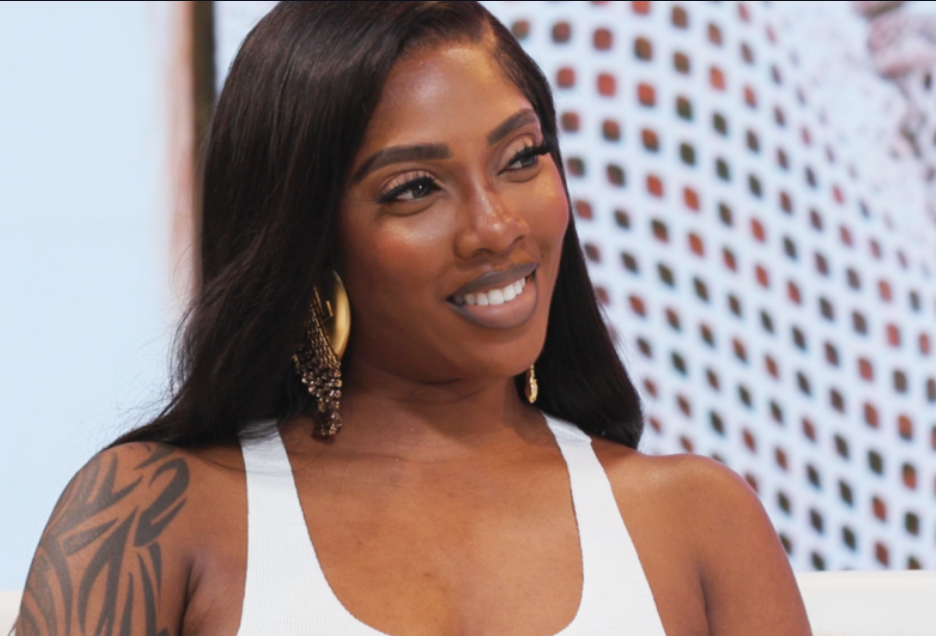
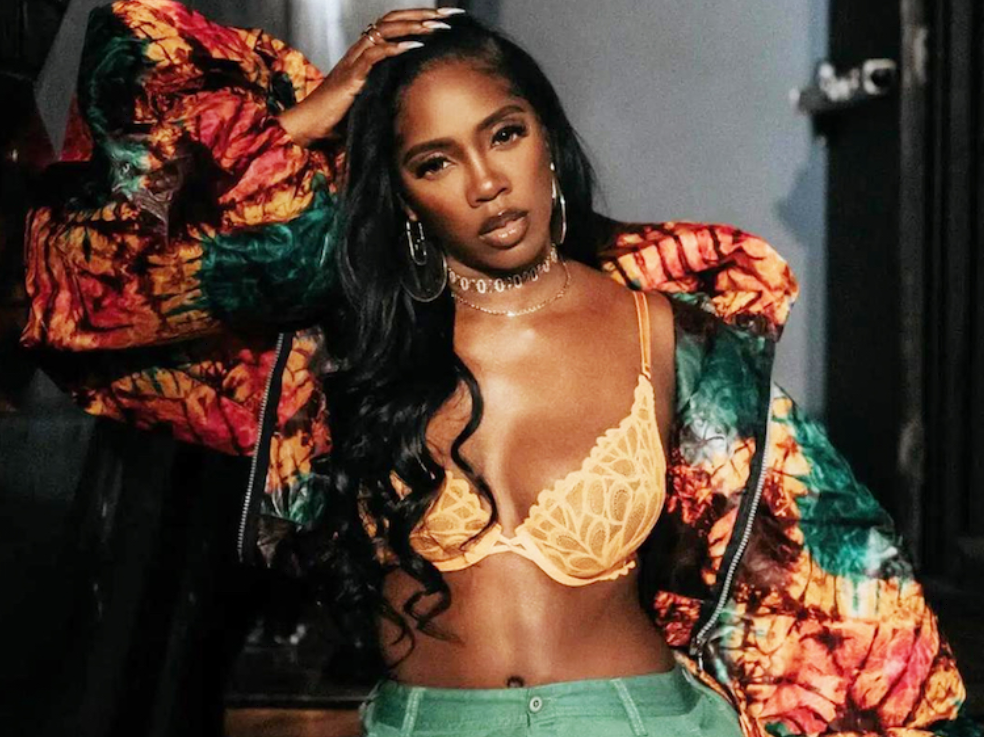
There is no doubt that Nigerian music is a powerhouse, constantly evolving and capturing global attention. While Afrobeats has become a massive global phenomenon, the rich tapestry of sounds within Nigeria is incredibly diverse. One particularly potent and influential stream is street music, often manifesting as street-pop. Today, we’re going to explore the essence of this genre and shine a light on the connection between the undisputed Queen of Afrobeats, Tiwa Savage, and Tiwa savage Nigerian street music.

Tiwa savage Nigerian street music

What Exactly is Nigerian Street Music and Street-Pop?

Forget the polished, purely Western-influenced pop for a moment. Nigerian street music is defined differently. It’s the sound that originates from the heart of the inner city. It’s described as being sonically distinct from mainstream pop music influenced by Western sounds. Historically, this kind of music came out of areas like Ajegunle in Lagos State, with Konto being an early example – a hybrid of Dancehall and Indigenous Nigerian music like Highlife, Ogele, and Local Groove music. This foundational street sound influenced other creative hubs.

Street-pop is highlighted as a crucial subgenre within the Nigerian music scene. It cleverly blends rudimentary elements of Afrobeats – including pop and rap – with gritty, cheeky lyrics that often document life on the Nigerian streets. Artists in this space use their music to tell authentic stories about their environment and experiences. As Zinoleesky, an artist associated with the genre, puts it, “Street music is the sound of the moment… That’s what everyone wants to listen to, we’ve come a long way”. This sentiment perfectly captures the rising prominence and relatability of street music.

Think of artists like Asake, who leapfrogged from an underground niche sound to global recognition after getting a verse from Olamide, described as a legendary Nigerian street-pop artist. Asake himself is credited with pumping new life into Nigerian street-pop. His music, performed in Yoruba and pidgin, offers incredible flexibility for crafting catchy, memorable choruses layered over engrossing, narrative-driven verses. His work powerfully documents life in Lagos. Songs like “Omo Ope” and “Sungba” showcase the sonic elements often found in street pop, incorporating Amapiano bass lines and skeletal instrumentations that grab hold of the listener. The impact of artists like Asake underscores the power and growing influence of street pop on the broader Nigerian music scene.

Other artists frequently associated with the street music sound include Seyi Vibez and Naira Marley. DJ YK Mule is also a significant force in powering Nigeria’s street Afrobeats scene, particularly through platforms like TikTok where his beats are incredibly popular for viral challenges. Despite his widespread influence on the sound, DJ YK Mule is noted as an unconventional star, sometimes lacking radio play and broad facial recognition even among those who dance to his tracks.

Tiwa Savage and the Street Influence

Tiwa savage Nigerian street music

Now, where does Tiwa Savage, a global superstar deeply rooted in Afrobeats, connect with the world of Tiwa savage Nigerian street music? While she’s known for her polished R&B-influenced core fused with pidgin English songwriting and striking African and global imagery, her versatility allows her to dip into various sounds, including those influenced by street culture.

One notable example cited in the sources is her feature on “Koo Koo Fun” by Major League DJz & Major Lazer feat. DJ Maphorisa. This track is described as a remarkable party-starting anthem. What makes Tiwa Savage’s contribution particularly relevant to Tiwa savage Nigerian street music is how she “dazzled on an Amapiano record by adjusting Nigerian lamba (street colloquialism) to fit into traditional Amapiano sonic structure”. This highlights her ability to incorporate elements from the Nigerian street language (“lamba”) into her performance, adapting it to a popular Southern African genre like Amapiano. This act of blending street colloquialism demonstrates an engagement with and understanding of the language and flavor of the streets, bringing that authenticity into a widely consumed track.

It’s fascinating to see how artists like Tiwa Savage, who operate on a global scale, can still connect with and draw from the vibrant, raw energy of street culture. Her use of “Lamba” on “Koo Koo Fun” shows a conscious effort to infuse her sound with elements that resonate deeply within Nigeria, including the streets. This isn’t just about making music; it’s about reflecting the linguistic and cultural nuances of the environment. This particular instance of Tiwa Savage embracing Nigerian lamba in her music directly links her artistry to the characteristics often found in tiwa savage Nigerian street music.

The track “Koo Koo Fun” itself, being an Amapiano record, also shows the intermingling of genres within the broader African music scene. Nigerian artists, including those associated with street pop, have increasingly incorporated Amapiano elements, leading to the rise of “Afropiano”. Asake’s “Omo Ope” remix, for instance, is described as Amapiano-infused. Tiwa Savage’s collaboration fits this pattern, and her addition of Nigerian street colloquialism makes it a unique fusion, touching upon aspects of Tiwa savage Nigerian street music within an international collaboration.

Reflecting on this specific example, one could imagine a “human-style quote” from a listener hearing “Koo Koo Fun” for the first time:

“Wow, that beat is infectious, proper Amapiano! But listen to Tiwa’s verse… ‘lamba’ everywhere! She brought that Nigerian street flavor, even on an international track. Proper party starter! I get why they called it ‘remarkable’.”

This aligns with the source’s description of her dazzling performance and the track being a remarkable party-starting anthem. It shows how the element of Nigerian lamba, a characteristic of street communication, makes its way into her music, connecting her to the essence of Tiwa savage Nigerian street music in a subtle yet significant way.

The Reach and Influence of Street Music

Tiwa savage Nigerian street music

The influence of street music and street pop extends far beyond the inner cities of Nigeria. As Zinoleesky noted, it’s the sound everyone wants to listen to. This indicates a broad acceptance and popularity that transcends its origins.

Artists like Asake have shown how this sound can shift from an underground niche to achieving global recognition. His collaboration with Olamide was a pivotal turning point. Similarly, Burna Boy’s decision to join Asake on the remix of “Sungba” and perform it at Madison Square Garden further elevated the genre’s profile. This demonstrates how street-pop, with its raw energy and relatable lyrics documenting Nigerian street life, is making significant inroads into the mainstream and international consciousness.

Even online platforms like TikTok have become crucial spaces for street music, with artists like DJ YK Mule gaining massive visibility through viral trends fueled by his beats. This digital ubiquity ensures that the sound of the streets is constantly reaching new ears, both within Nigeria and globally.

The connection between a global star like Tiwa Savage and this powerful local sound, exemplified by her use of lamba on “Koo Koo Fun”, is a testament to the genre’s pervasive influence. It shows that even at the highest levels of Afrobeats, the roots and linguistic flavor of tiwa savage Nigerian street music remain a relevant and valuable source of artistic expression. It’s like the street has its microphone now, and everyone, including the biggest stars, is picking it up!

The blend of sounds and influences within Nigerian music is constant. Street music itself is a hybrid, historically mixing Dancehall and Indigenous sounds. Today, we see it blending with Afrobeats elements like pop and rap, and incorporating influences from genres like Amapiano. Tiwa Savage’s venture into using street colloquialism within an Amapiano track is a perfect illustration of this dynamic fusion. It highlights how Nigerian artists are masterfully combining local flavor with global trends, creating something truly unique and exciting. The presence of Tiwa’s savage Nigerian street music elements, even subtly included, adds layers of cultural richness and authenticity to her diverse body of work.

Exploring the world of Tiwa savage Nigerian street music isn’t just about a genre; it’s about understanding a cultural phenomenon. It’s about the sounds that come from the ground up, reflecting the lives and languages of the people. Tiwa Savage’s interaction with this space, particularly through her lyrical choices on certain tracks, serves as a reminder of the deep connections between mainstream Afrobeats and the vibrant street culture that often fuels its creativity and vocabulary.

FAQs

Let’s tackle some frequently asked questions about this exciting topic!

Is “Tiwa savage Nigerian street music” a specific genre?

While Tiwa Savage is primarily known as a leading Afrobeats artist, “Tiwa savage Nigerian street music” isn’t a formal genre name in itself based on the sources. Instead, it refers to her connection to and incorporation of elements characteristic of Nigerian street music or street pop within her broader Afrobeats sound. Sources discuss Nigerian street music and street pop and mention Tiwa Savage’s use of “Nigerian lamba (street colloquialism)” on a track.

How does Tiwa Savage’s music relate to Nigerian street music?

Tiwa Savage relates to Nigerian street music by occasionally incorporating its elements into her work. Specifically, a source notes her use of “Nigerian lamba (street colloquialism)” on the Amapiano track “Koo Koo Fun”. This demonstrates her ability to blend popular street language into her global Afrobeats sound.

What is “lamba” in the context of Nigerian street music?

According to one source, “lamba” refers to “street colloquialism” in Nigerian English. Its use in music, as seen in Tiwa Savage’s case, adds authentic street flavor and can resonate strongly with listeners familiar with this informal language.

Who are some other notable artists associated with Nigerian street-pop?

Several artists are associated with Nigerian street pop based on the sources, including Asake, Olamide, Naira Marley, and Seyi Vibez. DJ YK Mule is also highlighted for his influence on the street Afrobeats scene through his beats.

How has Nigerian street music gained popularity?

Nigerian street music and street pop have gained popularity by resonating deeply with audiences through relatable lyrics documenting street life and incorporating infectious sounds from various genres like Afrobeats and Amapiano. Artists like Asake and collaborations with major stars have helped elevate the genre from underground niches to mainstream recognition. Online platforms like TikTok also play a huge role in amplifying street beats.

The Exciting Fusion and Future

Tiwa savage Nigerian street music

The intersection of global stars like Tiwa Savage and the raw energy of Nigerian street music is incredibly exciting. It signifies a continuous dialogue between different layers of Nigerian music and culture. The willingness of artists to draw from the street, incorporating its language and vibes, ensures that mainstream Afrobeats remains grounded and reflective of the diverse experiences within the country.

The example of Tiwa’s savage Nigerian street music elements appearing in her work, like the use of lamba on “Koo Koo Fun”, illustrates how these sounds and linguistic styles can travel across genres and borders, enriching global collaborations and bringing a piece of Lagos street life to an international audience. This blend of the local and the global is a hallmark of contemporary Nigerian music and a key reason for its worldwide success.

It’s a dynamic ecosystem where underground sounds influence the mainstream, and global artists, in turn, sometimes embrace the local flavor. The continuous evolution, mixing genres like Afrobeats, Amapiano, and traditional street sounds, promises an even more vibrant and exciting future for Nigerian music. We can only anticipate what amazing fusions and collaborations will emerge next from the thriving scene of Tiwa savage Nigerian street music and beyond!

Conclusion

In wrapping up, exploring the connection between Tiwa Savage and Nigerian street music reveals a fascinating interplay between global superstardom and the grassroots sounds that define everyday life in Nigeria. While Tiwa Savage operates on a massive international stage as a leading figure in Afrobeats, her incorporation of elements like “Nigerian lamba” on tracks such as “Koo Koo Fun” demonstrates a tangible link to the vibrant and influential world of street music and street-pop.

Street music, with its origins in the inner cities and its focus on documenting Nigerian street life through raw, relatable lyrics and distinct sonic textures, is a powerful force in the country’s music scene. Artists like Asake, Olamide, Naira Marley, Seyi Vibez, and the influential DJ YK Mule are key players in this space, pushing its boundaries and bringing it to wider audiences.

The subtle yet significant presence of Tiwa savage Nigerian street music flavour in her diverse discography underscores the deep cultural well that fuels Nigerian creativity. It’s a reminder that even as Afrobeats conquer the globe, the sounds and voices from the streets remain integral to its identity and evolution. So next time you’re listening to Tiwa Savage, listen closely – you might just hear the undeniable pulse of the Nigerian streets woven into her global sound! This vibrant connection ensures that the spirit of Tiwa savage Nigerian street music continues to influence and enrich the music we love.

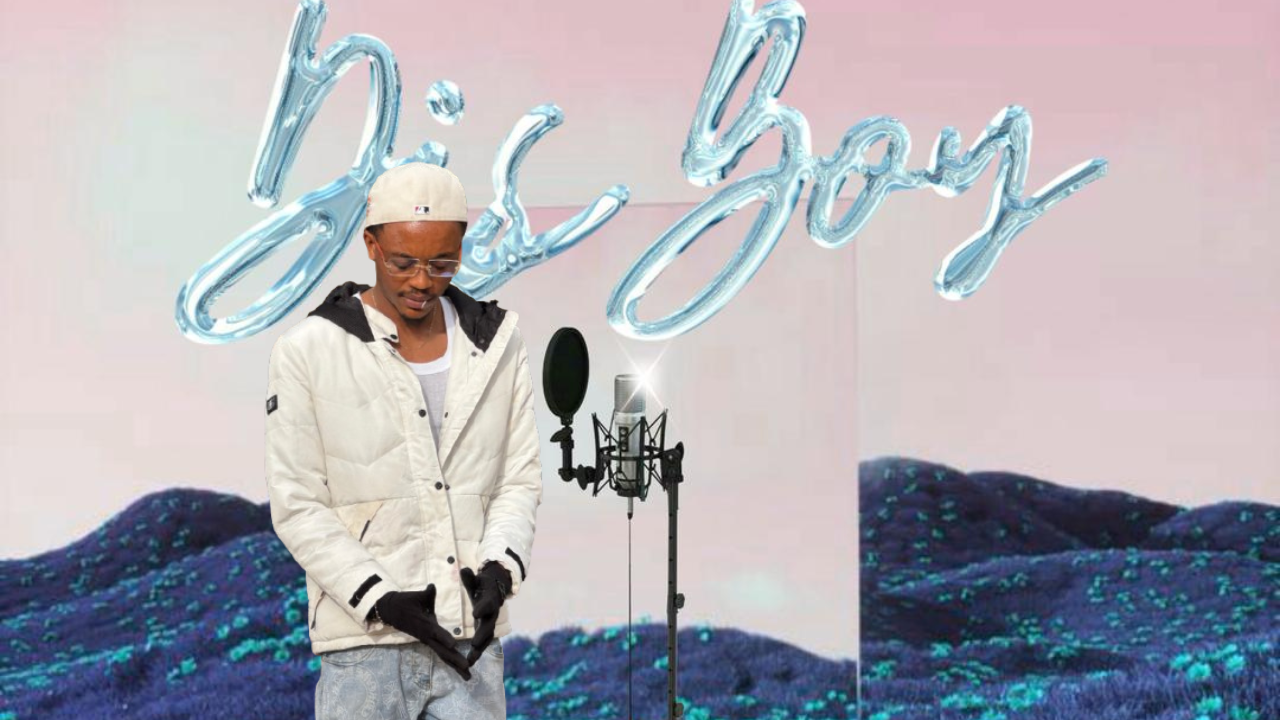
Get Hyped! Henry Sk’s Explosive New Single “Dis Boy” is Coming!

Prepare yourselves, music lovers! The incredibly talented Nigerian artist, Henry Sk, is dropping a brand new track that’s set to ignite your playlists and show the world exactly who he is! After a powerful return to the music scene, Henry Sk is not slowing down, and we couldn’t be more thrilled about what’s next!

The Epic Return of Henry Sk

Dis Boy by Henry SK

If you’re just catching up, Henry Sk, real name Henry Okeke, is a rapper, songwriter, and singer from Jos, Plateau State, Nigeria. He first burst onto the scene at the age of 18 with his song “Come For Me,” which made quite the impact at the time. However, he made the admirable decision to press pause on his music career to complete his tertiary education at Nnamdi Azikiwe University Awka.

Well, the wait is over! Henry Sk made his triumphant return to the music scene in 2024. His comeback was marked by the release of his fantastic double track, “Crazy/Slowly Yoo”. This release immediately brought his distinctive style back into the spotlight, and it quickly began to be enjoyed all over Jos.

But he didn’t stop there! Early in 2025, the momentum built even further with the release of the super-hot collaboration “Street” featuring his friend Reuben Ndukwu (Raajuu) and producer Paulo Sampson (Pasachy, Mr Producer). This track was a powerful re-enactment of their journey coming from the neighbourhood streets of Jos and gained massive attention. This attention led to their collaborative statement song O.Z(coming), which served as a bold call to their entrance to the music scene. Adding to this incredible trajectory, Henry Sk also signed a record deal with Ocean Disaster Records early in 2025.

Diving into Henry Sk’s Electrifying Sound

What makes Henry Sk’s music so captivating? His style is a thrilling blend of Afrobeat and Hip Hop with a propelling movement of Afro swing. He himself describes his music as “possessive” – meaning “you listen, you feel it”.

His assertive approach and unique sound have been shaped by his early life experiences in Jos, including difficult exposures like religious crises and terrorist attacks. This background gives his music a raw authenticity and depth that truly resonates. It’s not just music; it’s an experience!

Get Ready for “Dis Boy“!

Henry Sk’s Explosive New Single “Dis Boy” is Coming

Dis Boy by Henry SK

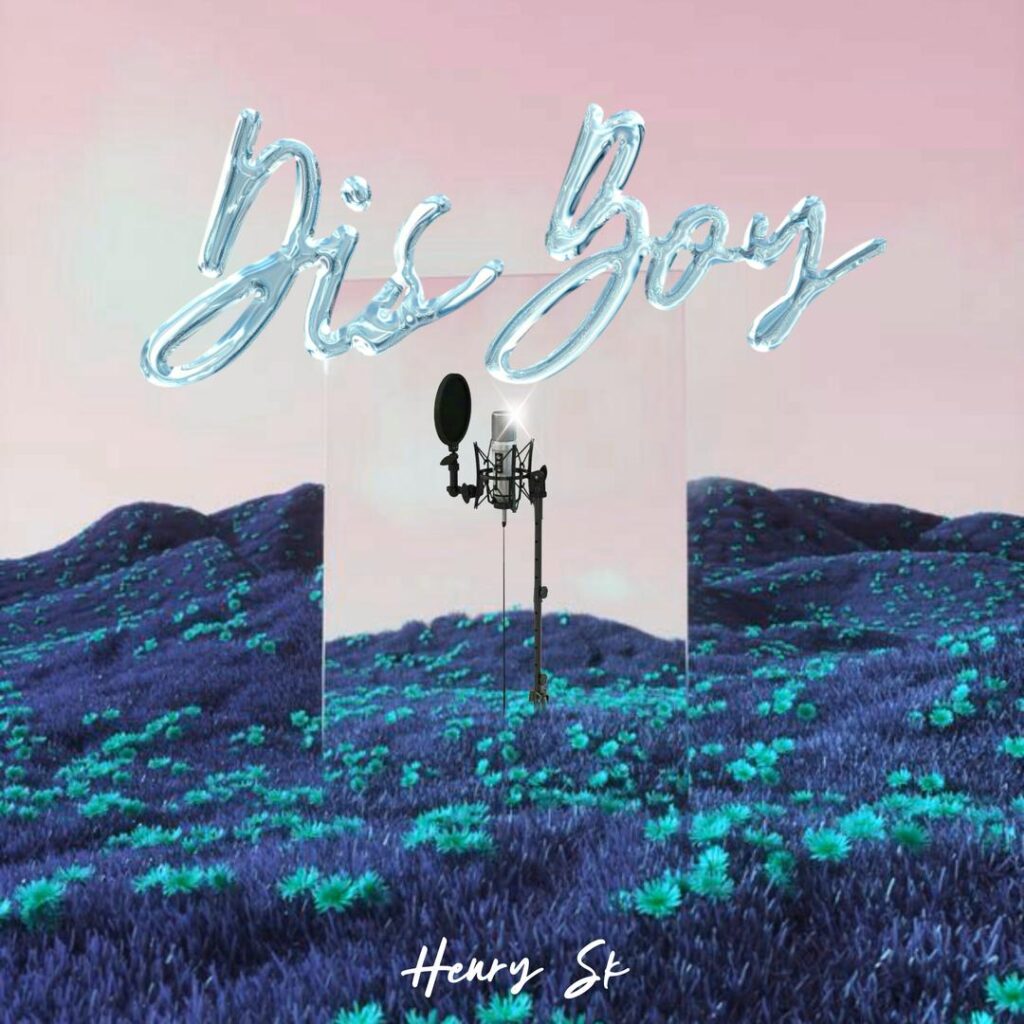
Now, for the news we’ve all been buzzing about! Henry Sk is dropping a brand new single titled “Dis Boy”! And mark your calendars because the release date is set for 1 May 2025!

This song is incredibly personal – it’s all about Henry Sk himself! In the lyrics, he explores different facets of his identity, talking about himself as a King, a Fine boy, and a Street boy. He also delves into being mysterious and real, stating these as undeniable facts about who he is.

“Dis Boy” is directly inspired by his life experiences growing up as a street boy from the hood. These experiences have profoundly shaped his personality and lifestyle, and he channels that into this powerful track. The song is poised to showcase just how spontaneous and expressive he is as an artist, truly portraying him as a king of his craft. We’ve already caught snippets of songs he’s been dropping, and there is great expectation for what he can do, especially with “Dis Boy” on the horizon! Get ready to feel the energy!

Social Media Handles:

Facebook Page: officialhenrysk

Instagram Handle: official_henrysk

Tiktok Page: @officialhenrysk

Spotify: @HenrySk

Apple Music:@HenrySk

Audiomack: @HenrySk

Boomplay: @HenrySK

X.com: officialhenrysk

Google: @Henry Sk

Youtube: @Henry SK

FAQs About Henry Sk’s New Release

What is the title of Henry Sk’s upcoming song?

The title of his upcoming song is “Dis Boy”.

When will “Dis Boy” be released?

“Dis Boy” is scheduled for release on 1 May 2025.

What is the song “Dis Boy” about?

“Dis Boy” is about Henry Sk himself. He talks about being a King, a Fine boy, and a Street boy, as well as being mysterious and real. The song is inspired by his life experiences from the hood.

What is Henry Sk’s music style?

His music is described as a blend of Afrobeat and Hip Hop with a movement of Afro swing. He calls his style “possessive” – something you listen to and feel.

What led to Henry Sk’s return to music?

After pausing his career for education, he returned in 2024 with the double track “Crazy/Slowly Yoo”. This release marked his comeback and led to subsequent tracks like “Street” and “O.Z(coming)”, building significant momentum. He also signed a record deal in early 2025.

The Profound Influence of Nigerian Heritage on Bloody Civilian Musical Identity and Creative Expression

The emergence of Emoseh Khamofu, professionally known as Bloody Civilian, onto the global music scene has been marked by a distinct artistic voice and a compelling narrative deeply intertwined with her Nigerian heritage and upbringing. From her evocative stage name to her genre-bending sound and lyrically potent themes, Bloody Civilian’s identity as a Nigerian artist is not merely a biographical detail but a foundational pillar of her creative expression. Her experiences growing up in Nigeria have shaped her perspectives, her musical influences, and her artistic ambitions, resulting in a body of work that is both deeply personal and reflective of a broader cultural context.

http://gizthub.com/wp-content/uploads/2025/04/Bloody-Civilian_-Nigerian-Roots-and-Musical-Identity.wav

The Potent Symbolism of Her Stage Name

One of the most immediate and striking ways in which Nigeria has influenced Bloody Civilian is through her very moniker. Growing up in the Northern part of Nigeria, in regions including Kaduna, Jos, and Abuja, she experienced firsthand the realities of military violence. The name “Bloody Civilian” originates from a derogatory term used by the army to refer to ordinary people in this context. Instead of shying away from this loaded term, Khamofu has reclaimed it as a symbol of empowerment and a means to challenge societal norms. As she explained, she took it as, “‘You know what? I am an ordinary civilian,’ but I decided that I would make it something that I would tone and make my own, and use it as a way to go against the norm, and empower myself”. This conscious choice of name underscores the profound impact of her early experiences in Nigeria on her artistic persona and reflects her “experimental, unfiltered, and powerful storytelling abilities”.

Deeply Rooted and Diverse Musical Influences

Bloody Civilian

Furthermore, Bloody Civilian’s musical DNA is intrinsically linked to the sounds and rhythms of Nigeria and the wider African continent. Raised in a musical household where her father, who later became a full-time engineer, was a touring bass guitarist, she was exposed to a diverse range of genres, including blues, instrumental jazz, and African music. Her listening habits also encompassed African pop music, often infused with R&B influences, as well as popular American Black music genres like R&B, hip-hop, and trap. Bloody Civilian herself unequivocally states that her “Nigerian roots are my music,” and her compositions serve as a vehicle for telling “a Nigerian story”. She identifies African music as her “biggest, biggest influence”, finding it inherently relatable, with R&B and trap following as significant influences. This deep immersion in diverse musical traditions, with African sounds at its core, has led to her description of her music as “Afro-fusion,” a genre where she experimentally blends various African elements. Notably, Nigerian singer-songwriter Aṣa served as a crucial early inspiration, fueling her desire to pursue music.

Lyrical Themes Reflecting Nigerian Realities

The lyrical content and thematic concerns prevalent in Bloody Civilian’s music are also heavily informed by her Nigerian experiences. Her debut single, “How To Kill A Man” (2022), is described as taking a “tongue-in-cheek but furious look at misogyny and social injustice”. This track, which initiated her career as a recording artist after starting as a record producer, and for which she wrote, shot, produced, and directed the video, served as the lead single from her debut extended play, Anger Management. Similarly, the song “Where I Am From,” featured on the same EP, “addresses social issues and the effects of bad decisions by Nigerian politicians on citizens”. These examples highlight her direct engagement with the socio-political realities of her home country, using her music as a platform for commentary and expression. She aims to be honest and express what’s on her mind, even about difficult topics like anger, often using humour as a tool for conversation.

Ambition to Empower and Uplift African Artistry

Beyond addressing specific issues, Bloody Civilian harbours an ambition to “empower, platform and uplift” African art through her work. Her involvement in the soundtrack of the Marvel blockbuster Black Panther: Wakanda Forever with the track “Wake Up” featuring Rema, a film celebrated for its strong African representation, aligns perfectly with this aspiration. She was recommended for this project by her manager, Semi ‘Chubbz,’ who was co-producing the soundtrack and knew her from Instagram. The co-production of “Wake Up” with Wakanda Forever composer Ludwig Goransson further demonstrates her desire to transcend musical boundaries, incorporating Caribbean influences into her pop-leaning sound. This collaboration on a globally recognised platform underscores her commitment to showcasing African creative talents.

Early Musical Development within Nigeria

Even Bloody Civilian’s early forays into music within Nigeria played a crucial role in shaping her multifaceted skill set. As a teenager in school, she was recognised for her singing and guitar playing, often performing original music at talent shows where people learned her lyrics. She also began making beats and sharing them with rappers in her school, gradually honing her production skills. This early immersion in various aspects of music creation laid the groundwork for her to become not only a singer-songwriter but also a proficient record producer. Her initial experimentation with music production began around the age of twelve using the software Audacity. Despite lacking sophisticated equipment in her early days in a hostel dorm, she creatively used everyday objects like buckets and toothbrushes to create beats. Furthermore, growing up in a conservative environment where her movement was restricted by her parents, may have inadvertently fostered a deeper focus on her internal creative world and musical pursuits. Her supportive but also critical parents were her first audience, providing valuable early feedback on her songwriting.

Conclusion

In conclusion, Bloody Civilian’s Nigerian heritage and upbringing are not superficial influences but rather deeply embedded aspects of her artistic identity and creative expression. From the powerful symbolism of her chosen name, reflecting the realities of her homeland, to the rich tapestry of African-rooted sounds that define her music, and the socially conscious themes that permeate her lyrics, Nigeria is an undeniable and integral force in her work. Her ambition to elevate African art on a global stage further underscores the profound connection between her identity as a Nigerian artist and her creative aspirations. As Bloody Civilian continues to evolve and share her unique voice with the world, the foundational impact of her Nigerian roots will undoubtedly remain a defining characteristic of her artistry.

Afrobeats Ascends: Triumph and Turmoil at the 2024 Billboard Music Awards

From the bustling streets of Lagos to the global stage, Afrobeats is making its presence known. The genre’s infectious rhythms and vibrant melodies have captivated audiences worldwide, and its impact is undeniable. This year, the 2024 Billboard Music Awards (BBMAs) shines a spotlight on Afrobeats, recognizing its leading artists and fueling important conversations about its future. But with this global recognition comes a wave of complex questions about identity, ownership, and the very soul of Afrobeats.

Afrobeats Stars Shine Bright at the BBMAs

2024 Billboard Music Awards

The 2024 BBMAs are a testament to the power of Afrobeats, with a dedicated category celebrating the genre’s top artists. Nominated for Top Afrobeats Artist are:

  • Asake: Known for his energetic performances and unique blend of traditional Yoruba music with contemporary sounds.
  • Burna Boy: A global icon, celebrated for his powerful vocals and captivating stage presence.
  • Rema: The “Calm Down” hitmaker has taken the world by storm, solidifying his place as a leading force in Afrobeats.
  • Tems: Her soulful voice and introspective lyrics have earned her international acclaim and collaborations with renowned artists.
  • Tyla: A South African star who has made waves in the US, securing three nominations for Top Afrobeats Song.

The nominees for Top Afrobeats Song highlight both the genre’s global reach and the complexities of its evolving identity:

  • Adam Port & Stryv feat. Malachiii – “Move”
  • Tems – “Me & U”
  • Tyla – “Truth or Dare”
  • Tyla – “Water”
  • Tyla, Gunna & Skillibeng – “Jump”

The inclusion of Adam Port & Stryv, a German DJ and American producer, in the Afrobeats Song category has ignited debate, which we’ll explore further later.

Afrobeats Goes Global: A Celebration of Rhythms and Culture

The rise of Afrobeats isn’t a sudden phenomenon; it’s the culmination of years of artistic innovation, cultural exchange, and a growing global appetite for fresh sounds. The genre has found its way into the hearts of listeners worldwide thanks to a potent combination of factors:

  • The Power of Streaming: Platforms like Spotify and Apple Music have broken down geographical barriers, giving Afrobeats artists a direct line to audiences across continents.
  • Social Media Amplification: Viral dance challenges, enthusiastic fan communities, and the sharing power of platforms like TikTok have propelled Afrobeats into the social media spotlight.
  • Collaborations that Bridge Worlds: Afrobeats artists have embraced collaborations with musicians from diverse genres, expanding their reach and introducing the genre to new listeners.

These forces have combined to create a perfect storm, propelling Afrobeats to the forefront of the global music landscape.

Guarding the Gates: Who Owns Afrobeats?

The nomination of Adam Port & Stryv’s “Move” in the Top Afrobeats Song category has sparked a crucial conversation about the genre’s identity and who has the right to define it. While the song incorporates elements of Afrobeats delivery, its production leans more towards Amapiano and House music, raising concerns about potential cultural appropriation and the blurring of genre boundaries.

Music journalist Joey Akan has been a vocal advocate for protecting Afrobeats from being overtaken by artists outside its cultural origins. He argues that the genre’s unique sound and cultural significance must be preserved, drawing parallels to the experiences of genres like dancehall and reggae, which have faced challenges maintaining their distinct identities on the global stage.

The debate surrounding Afrobeats gatekeeping highlights a crucial tension between celebrating the genre’s global reach and ensuring that its roots and cultural ownership are respected.

Charting the Course: The Future of Afrobeats

As Afrobeats continues its ascent, navigating its global recognition while preserving its cultural core will be paramount. Several key considerations will shape the genre’s future:

  • Embracing Collaborations: Cross-cultural collaborations can be powerful tools for expanding Afrobeats’ reach, but it’s essential to approach them with sensitivity and ensure that Afrobeats artists are not overshadowed or exploited.
  • Defining Boundaries: The ongoing debate about genre boundaries will necessitate open discussions among artists, industry professionals, and fans about what defines Afrobeats and how to protect its unique sonic and cultural identity.
  • Empowering African Artists: Supporting and investing in the talent within Africa is crucial to ensuring that the genre’s evolution is driven by those who are deeply connected to its roots.

Afrobeats: A Legacy in Motion

The 2024 BBMAs serve as a powerful reminder of Afrobeats’ arrival as a global force. The genre’s infectious energy, cultural richness, and talented artists are making an indelible mark on the world. As Afrobeats continues to evolve, navigating the complexities of global recognition while staying true to its origins will be essential for its continued success and cultural legacy.

Exit mobile version