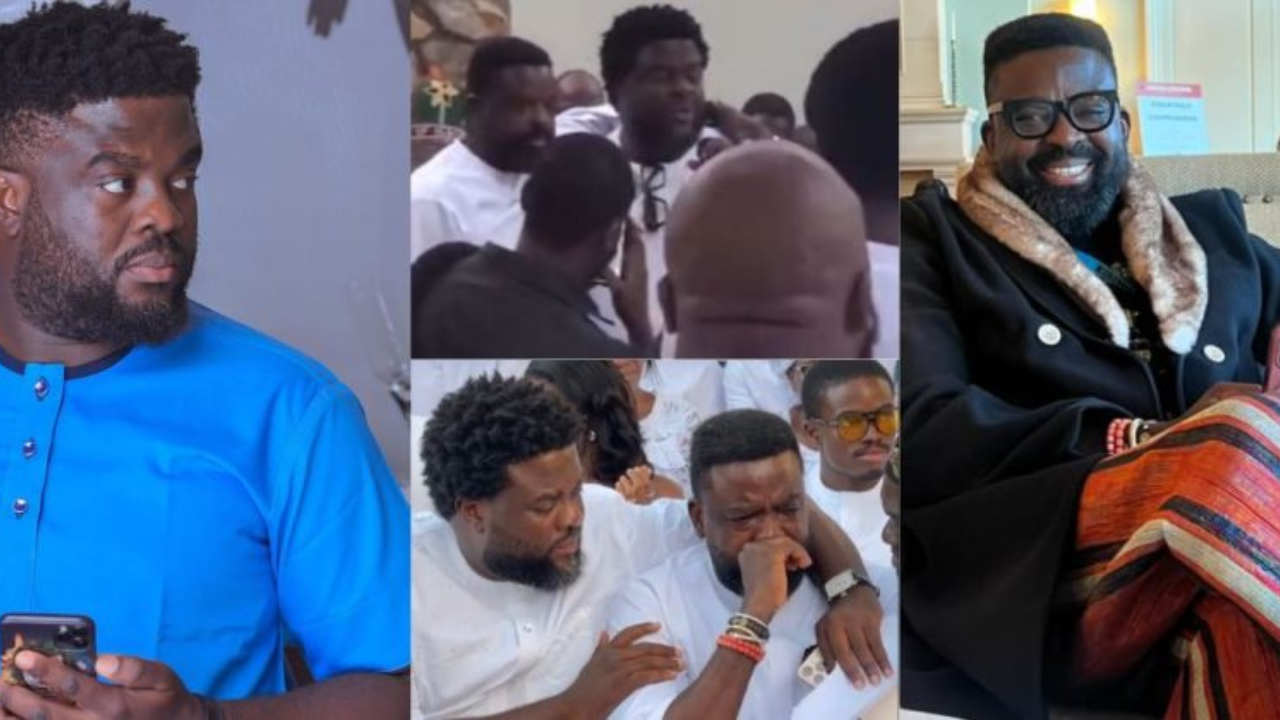
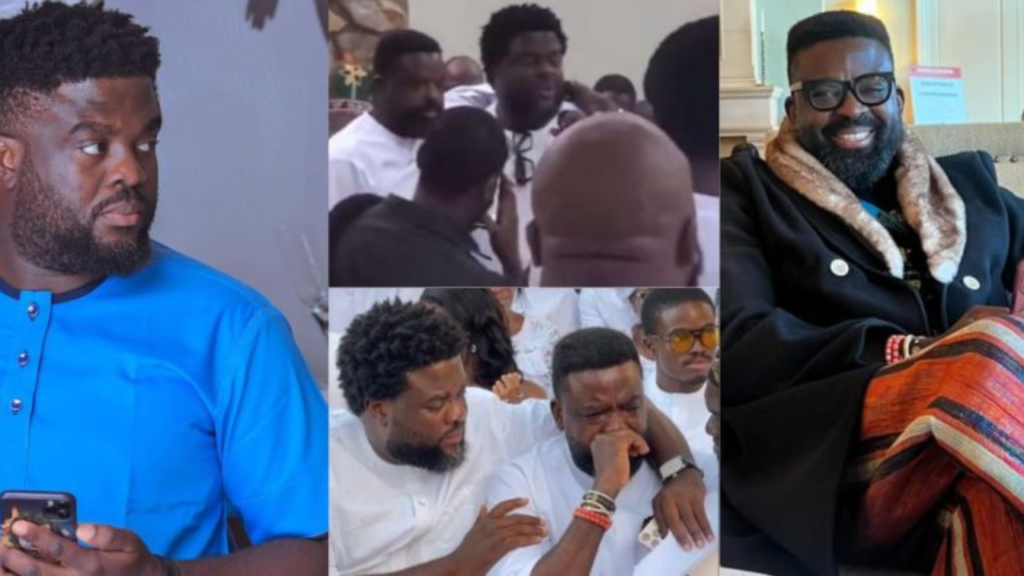
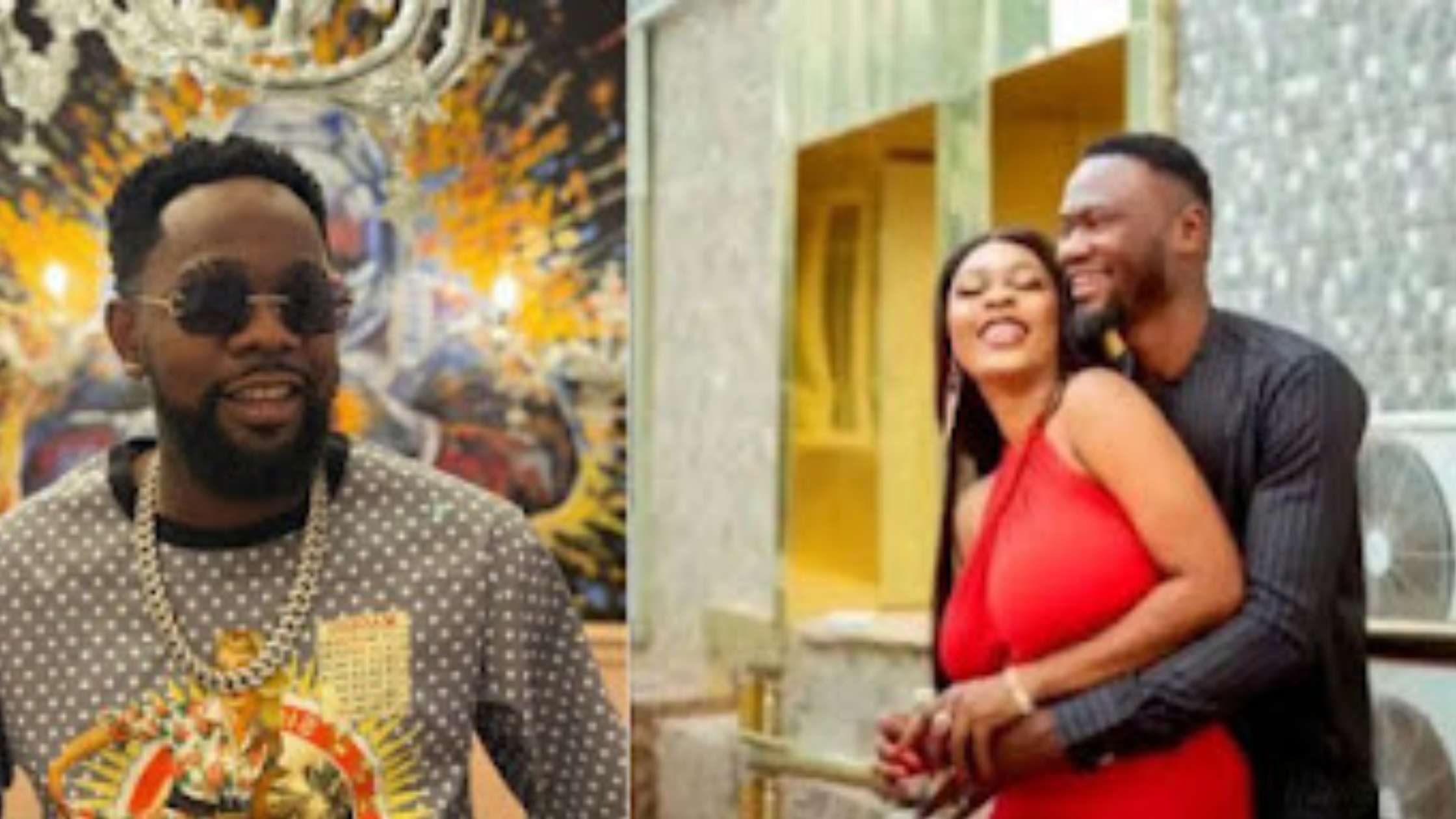
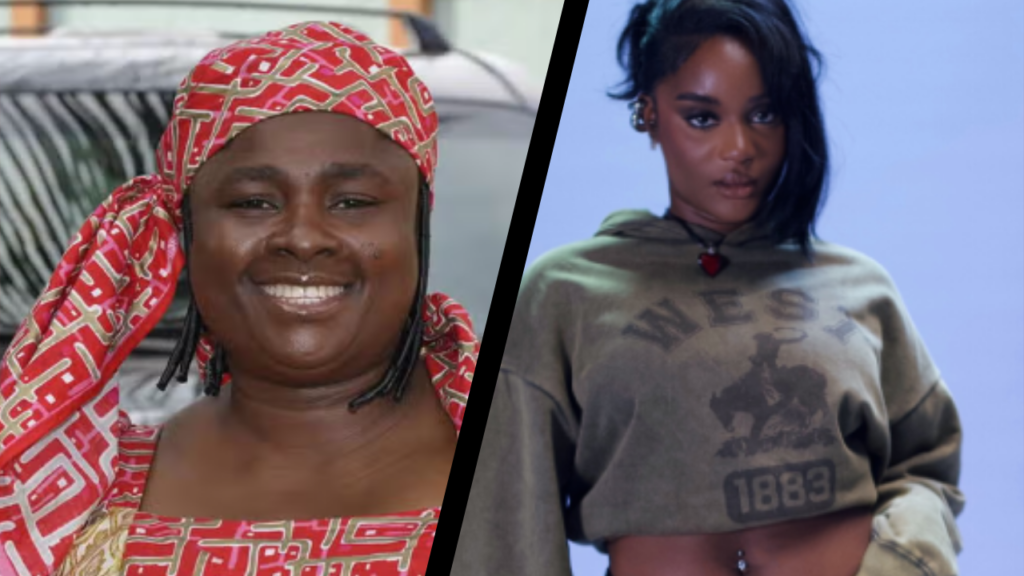
Kunle Afolayan and Aremu Afolayan, two prominent figures in the Nigerian film industry, are known for their talent and contributions to filmmaking. However, behind the scenes, a long-standing feud cast a shadow over their family ties. The brothers, sons of the iconic filmmaker Ade Love, were estranged for years, their disagreements spilling into the public sphere and causing considerable strain. Yet, in a heartwarming turn of events, the brothers publicly reconciled at their mother’s funeral, demonstrating the enduring power of family and forgiveness.
The Roots of Discord
The rift between the Afolayan brothers began to attract public attention in 2018 when Aremu, in an interview, claimed their father had lived in poverty despite his fame. Kunle, in a subsequent interview, expressed his disapproval, calling Aremu’s remarks “stupid”. This public disagreement highlighted underlying tensions and set the stage for further discord.
The situation escalated with Aremu engaging in public outbursts against Kunle and other family members on social media. His comments often targeted Kunle’s lifestyle choices and criticisms, further straining their relationship. This public nature of their feud, amplified by social media, added another layer of complexity to an already sensitive family matter.
A Mother’s Love: Catalyst for Reconciliation
The passing of their mother, Omoladun Afolayan, in November 2024 at the age of 81, proved to be a turning point for the brothers. The wake-keep ceremony, held in Oyo State, became the unlikely setting for their emotional reconciliation. It was during this time of shared grief and remembrance that the brothers chose to put aside their differences and honour their mother’s memory.
In his tribute, Aremu revealed a touching detail: their mother had orchestrated a meeting between him and Kunle before her death. He acknowledged that she had constantly prayed for their reconciliation for over 40 years, referring to himself as the “black sheep” of the family. This revelation underscores the profound influence their mother had on their lives and her unwavering belief in the importance of family unity.
Kunle, too, spoke of his mother’s role in fostering connections within the family. He described her as a pillar of support who always sought to maintain harmony among her children and their loved ones. It’s evident that the brothers, in mourning their mother, were deeply moved by her values and her final wish to see them reconciled.
Forgiveness and Public Apologies
Kunle and Aremu Afolayan
The reconciliation was marked by heartfelt apologies from Aremu. He expressed remorse for his past behaviour, particularly the public criticism and negative attention he had brought upon Kunle. In a moving display of vulnerability, he apologised for the “Instagram backlash” he had caused, acknowledging the hurt he had inflicted on his brother.
The public nature of these apologies is significant. Aremu’s willingness to address his mistakes openly suggests a genuine desire to make amends and repair their fractured relationship. It also highlights the impact of public opinion on their reconciliation. The scrutiny they faced likely contributed to Aremu’s remorse and his decision to seek forgiveness publicly.
Beyond Reconciliation: A Look at Family Dynamics
The Afolayan brothers’ story provides a glimpse into the complexities of family relationships. The ten-year age gap between them contributed to a dynamic where Kunle assumed a more paternal role, often providing guidance and financial support to Aremu. Kunle had even built a house for their mother and included Aremu’s name on the deed, despite Aremu not contributing financially.
These actions demonstrate Kunle’s sense of responsibility towards his younger brother and his deep-rooted family values. While the details of their disagreements remain private, it’s clear that their relationship was shaped by a complex interplay of sibling rivalry, differing personalities, and the dynamics of an extended family.
The Future: A Fragile Peace?
The reconciliation between Kunle and Aremu Afolayan offers a heartwarming narrative of forgiveness and brotherly love. However, it’s important to acknowledge that the path to healing and rebuilding trust takes time and effort. The brothers will need to navigate the complexities of their relationship and address any lingering issues to ensure the longevity of their reconciliation.
Conclusion
The reconciliation of Kunle and Aremu Afolayan serves as a powerful reminder of the importance of family bonds and the potential for forgiveness. Their story highlights the influence of a mother’s unwavering love and the transformative power of shared grief. It also reminds us that even in the face of public scrutiny and personal differences, reconciliation is possible when there is a genuine desire to heal and rebuild relationships.
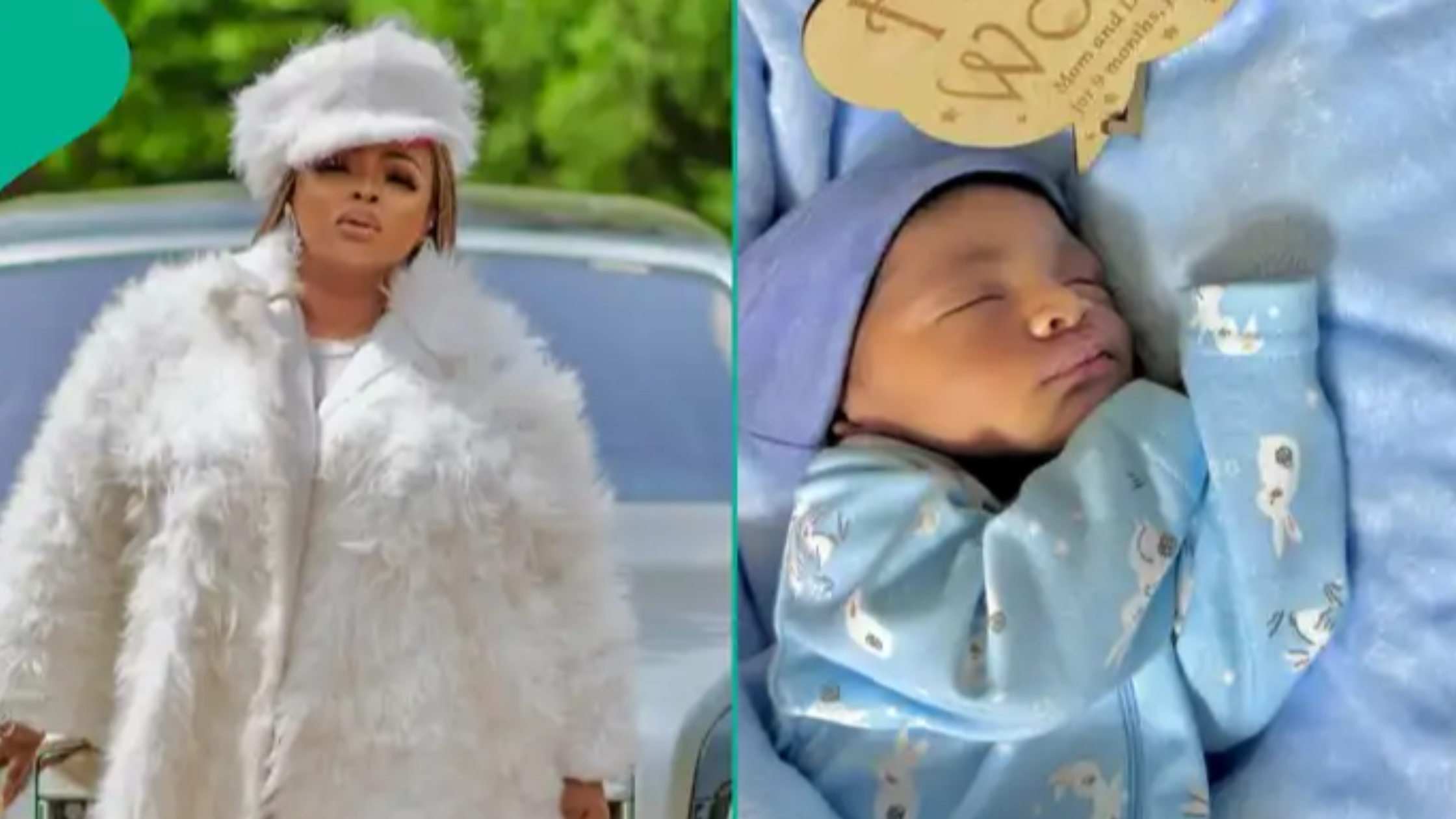
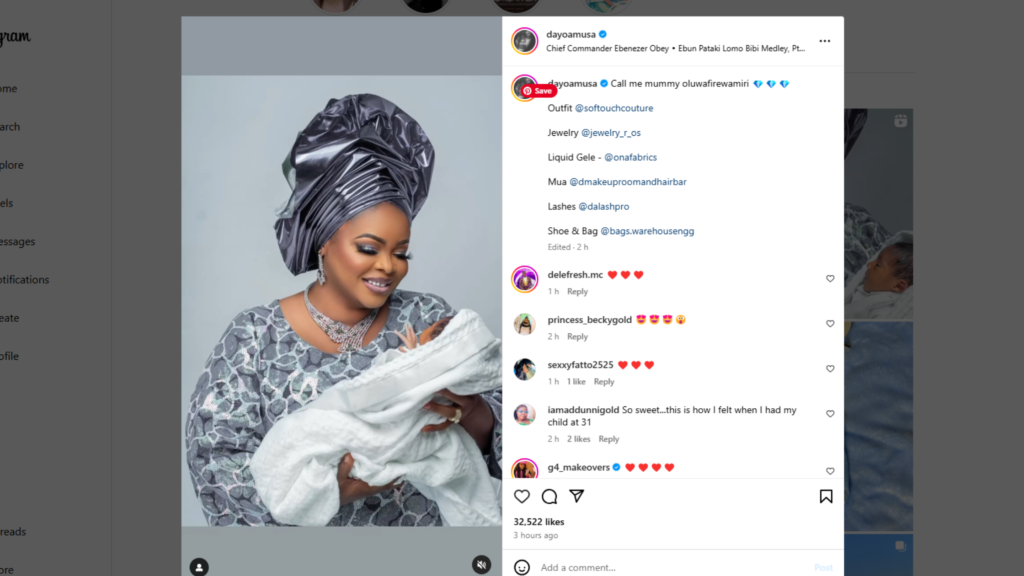
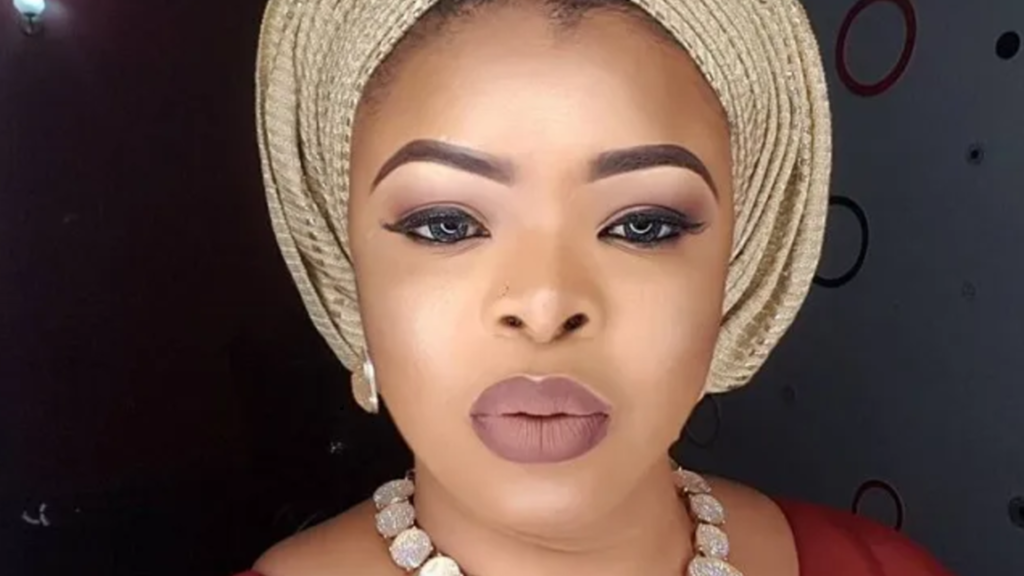
Nollywood actress Dayo Amusa recently found herself at the centre of a social media storm, not for her on-screen performances, but for her personal life. After welcoming her first child, Amusa faced a barrage of inquiries about the identity of her child’s father. Her response, bold and unapologetic, has sparked a conversation about the boundaries between celebrities and their fans in the digital age.
Amusa’s experience is a stark reminder of the intense scrutiny celebrities face in today’s hyper-connected world. While fans have always been curious about the lives of their favourite stars, social media has amplified this curiosity to unprecedented levels. Platforms like Twitter, Instagram, and TikTok provide a constant stream of information, and sometimes misinformation, about celebrities, blurring the lines between their public personas and private lives.
The sources depict how the public’s insatiable appetite for celebrity gossip led to relentless probing into Amusa’s personal life. Social media users and bloggers, driven by a desire for clicks and engagement, bombarded her with questions about the paternity of her child. This relentless pursuit of personal information highlights a concerning trend where some fans feel entitled to know every detail of a celebrity’s life, regardless of boundaries.
Amusa, however, refused to bow to this pressure. In a live TikTok session, she addressed the speculation head-on, asserting her right to privacy in no uncertain terms. “Is your husband missing?” she pointedly asked those who were so fixated on the identity of her child’s father. Her defiant response, laced with sarcasm and wit, was met with applause from many who saw it as a necessary pushback against an intrusive online culture.
Credit: instagram.com/dayoamusa/
This incident brings to light a fundamental tension in the celebrity-fan dynamic. While celebrities rely on public attention for their careers, they are also entitled to a private life, just like anyone else. The sources reveal how this tension plays out in the digital realm, where fans, empowered by social media, often overstep boundaries, demanding access to aspects of a celebrity’s life that are not theirs to know.
Amusa’s decision to shield the identity of her child’s father was framed as a way to protect her peace and happiness. This resonated with many who recognised the need for celebrities to maintain control over their personal narratives, especially when it comes to sensitive matters like family. The sources also acknowledge the economic incentives that drive some individuals to pry into the lives of celebrities. Amusa herself pointed out that some people capitalise on gossip and speculation to generate income through social media engagement.
The incident involving Amusa also exposes the darker side of online fandom. The sources reveal how some individuals went as far as to unearth an unrelated video of another actress discussing IVF, attempting to manufacture controversy and pit the two women against each other. This deliberate attempt to stir up drama for online engagement underscores the harmful consequences of a culture that prioritises clicks and views over respect and privacy.
The framing of Amusa’s response in the sources is significant. Words like “replies”, “blasted”, and “applauded” are used to describe her reaction, portraying her as a strong, defiant figure standing up to online bullies. This portrayal is likely to shape public perception, painting Amusa as a champion for celebrity privacy in a world where personal boundaries are increasingly blurred.
Amusa’s experience serves as a wake-up call, reminding us that celebrities are not simply characters in our entertainment but individuals with their own lives, families, and vulnerabilities. It’s a call for a more respectful and empathetic online culture, one that recognizes the right of public figures to privacy and allows them to control their own narratives. The digital age has brought us closer to celebrities than ever before, but this proximity should not come at the expense of their well-being or their right to a private life.
Societal Attitudes and Celebrity Privacy: Dayo Amusa’s Response
Credit: instagram.com/dayoamusa/
Dayo Amusa’s response to inquiries about the father of her child reflects broader societal attitudes towards celebrity privacy. While there is a fascination with the personal lives of celebrities, there is also a growing recognition of their right to privacy.
The sources describe how social media users and bloggers showed a strong interest in the identity of Amusa’s child’s father. This highlights society’s interest in the private lives of celebrities, often fueled by gossip and speculation.
The sources also reveal that some individuals dug up a video of another actress, Opeyemi Aiyeola, discussing IVF to stir up controversy and generate social media engagement. This demonstrates how the desire for online attention can lead to the invasion of privacy and the spread of misinformation.
Amusa’s forceful response, questioning why people were so interested in her personal life and asserting her right to privacy, was applauded by many. This suggests a shift in public opinion, with more people recognizing the boundaries that should be respected when it comes to the private lives of celebrities.
Amusa’s decision to keep her child’s father’s identity private was framed as a way to protect her peace and happiness. This resonates with the idea that celebrities, like anyone else, deserve to have control over their personal lives and protect their well-being.
The articles also highlight the financial incentives driving some individuals to pry into the lives of celebrities. Amusa acknowledges that some people rely on gossip and speculation about celebrities to generate income through social media engagement. This illustrates the complex interplay between societal curiosity, the media, and the economic forces that can lead to intrusions into celebrities’ private lives.
Celebrity Pushback Against Intrusive Online Audiences
This incident reveals a common dynamic between celebrities and their online audience, where audiences feel entitled to information about a celebrity’s personal life and celebrities push back against these intrusions.
Dayo Amusa, a Nollywood actress, has recently received public inquiries about the identity of her child’s father. Amusa responded to the questions during a live TikTok session.
She explained that she keeps her child’s father’s identity private because she wants “to maintain [her] peace” and prevent anyone from ruining her happiness.
Amusa sarcastically questioned why people were so interested, asking, “Is your husband missing?”. She said that her child “definitely has a father” but that she is the one in the public eye, not her husband.
She also pushed back against the idea that she owes the public any information, stating that she will “only let out what [she wants] to let out”. She said she won’t let people “pour sand into [her] cassava flakes”.
Fans largely applauded Amusa’s response in the comments section. One commenter said they loved Amusa’s reply because “people [are] like a person they want to see finish”. Another commenter told Amusa to ignore the commenters, describing them as “busybodies”. A third commenter agreed, saying that “People love gossip that doesn’t concern them”.
One commenter suggested that Amusa’s own fans were not the ones asking, stating, “Na ur people dey use fake account ask ooo, no be we fans oo”. This suggests that the commenter believes the questions were coming from people seeking to harm Amusa’s reputation, not genuine fans.
Amusa suggested that the questions were motivated by a desire for “social media validation” and encouraged those asking to “cook up [their] lies, make [their] money, and feed [their] family”.
The Premium Times described the commenters as “critics and trolls”. It also said that Amusa has been the target of negative media attention in the past. This suggests that the questions about her child’s father are part of a larger pattern of scrutiny and negativity directed at Amusa.
This incident suggests that some fans believe they are entitled to know intimate details of a celebrity’s personal life. While fans may feel connected to the celebrities they follow, celebrities often push back against these intrusions, asserting their right to privacy. The incident also shows how social media can create an environment where celebrities are subject to constant scrutiny and negative attention, even from those who claim to be fans.
In conclusion, Dayo Amusa’s response to the public’s curiosity about her child’s father reflects a broader societal tension between the fascination with celebrity lives and the increasing recognition of their right to privacy. While there are still those who seek to profit from invading celebrities’ personal space, there is also a growing understanding and respect for the need to allow them to maintain boundaries and control their own narratives.
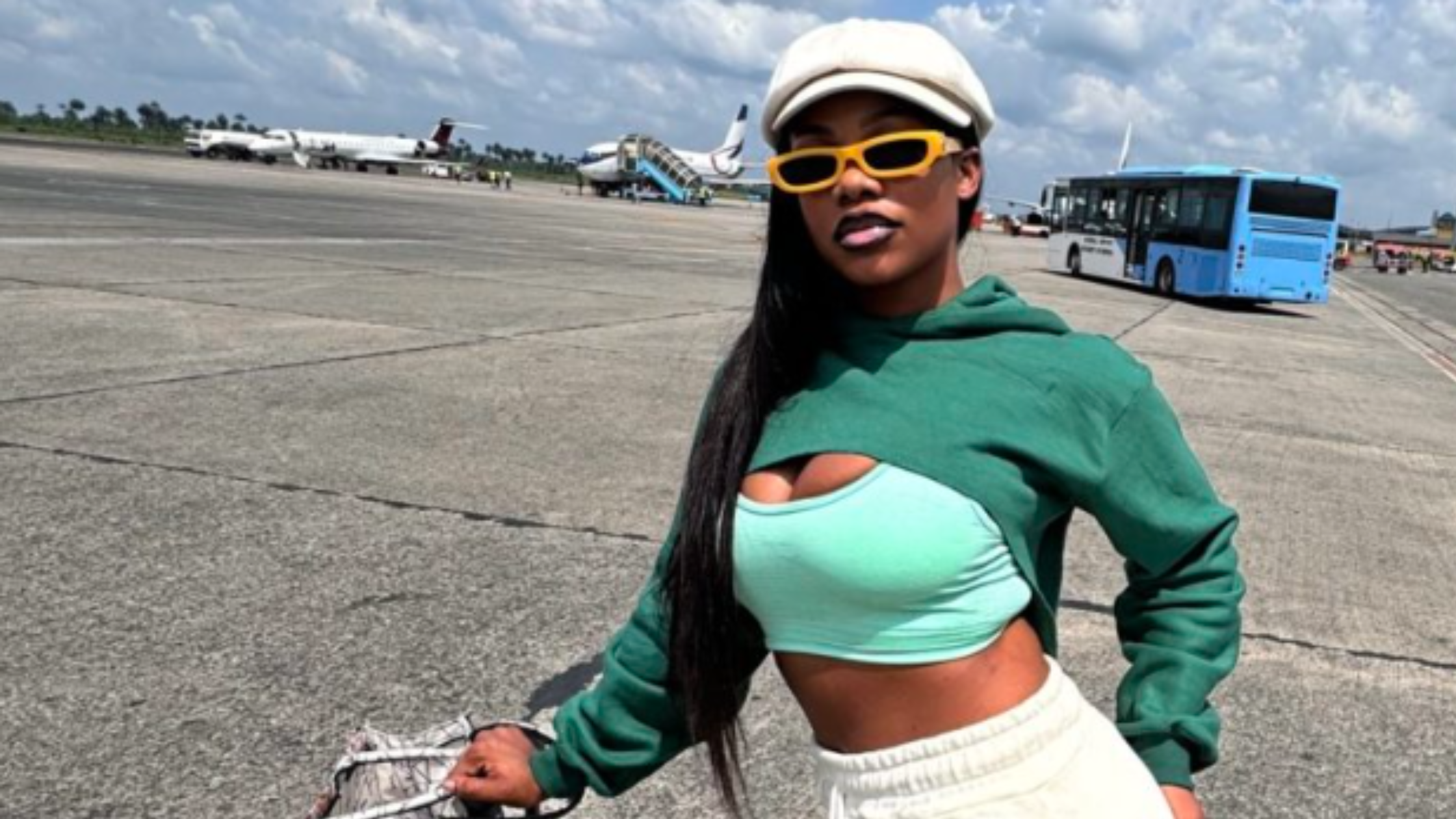
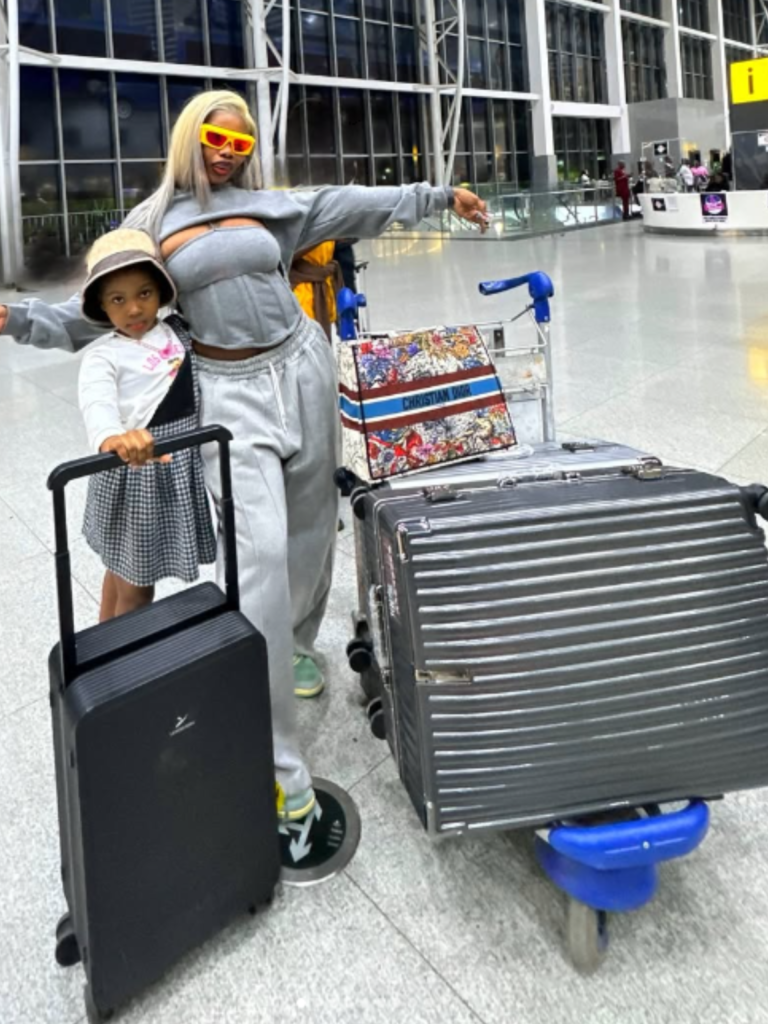
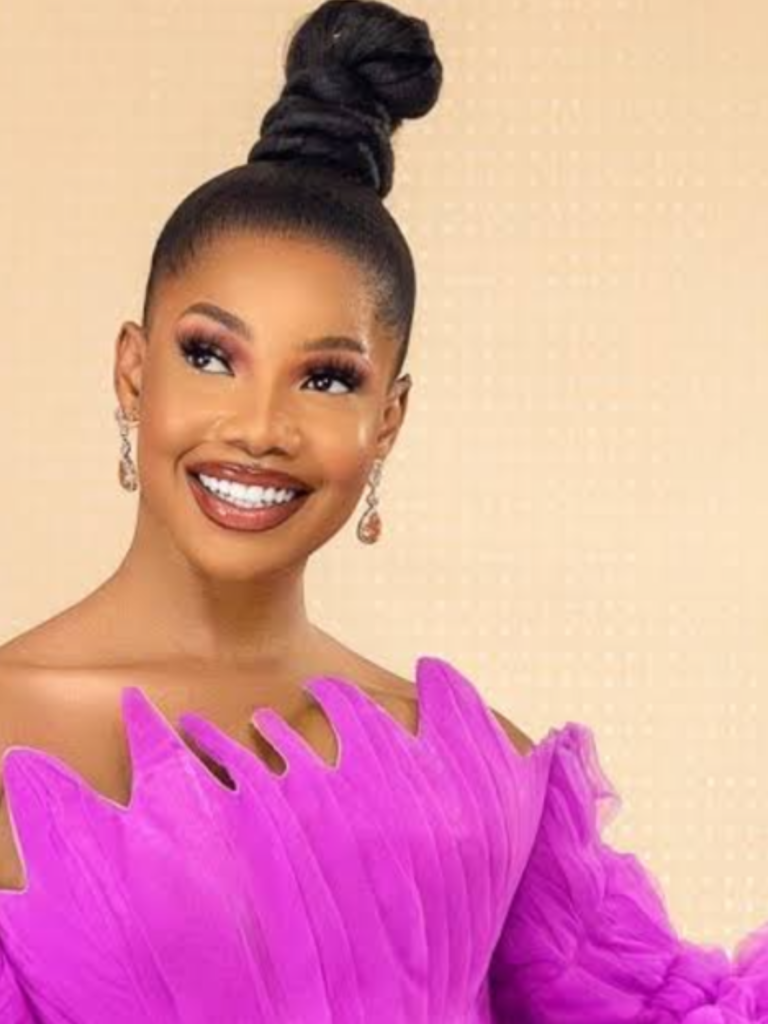
Tacha’s Relocation: Former Big Brother Naija housemate, Tacha (Anita Akide), recently sent ripples through the Nigerian entertainment scene with her announcement: “Relocating to the UK. So help me God.”. This news comes amidst a growing trend of prominent figures in Nigerian entertainment choosing to relocate abroad, particularly to countries like the UK and the US.
This blog post will explore the reasons behind Tacha’s relocation and examine the broader implications of this trend for the Nigerian entertainment industry. We’ll look at the potential factors driving these decisions, the impact on Nigeria’s cultural landscape, and the possible opportunities and challenges that lie ahead.
Tacha’s New Chapter: Seeking Fresh Opportunities?
Credit: instagram.com/symply_tacha/
Tacha’s journey began in the spotlight of the Big Brother Naija house, where she captivated audiences with her strong personality and entrepreneurial spirit. Since then, she has built a successful career, becoming a prominent figure in the entertainment industry.
While Tacha has not explicitly stated her reasons for relocating to the UK, we can consider some potential motivations. Her statement on X suggests a desire for a fresh start and divine guidance, indicating a significant personal decision.
Looking at the paths of other Nigerian celebrities who have relocated, several factors emerge as common themes:
Career Advancement: The UK offers a more established and internationally recognised entertainment industry, providing opportunities for greater exposure and collaborations. Tacha’s existing success in fashion, sports, and radio broadcasting could be further amplified by the UK’s diverse market.
Personal Growth: Relocation can offer a chance for personal growth and new experiences. Tacha’s move could be driven by a desire to explore new creative avenues, broaden her horizons, and challenge herself in a new environment.
Seeking a Different Pace of Life: The UK offers a different cultural landscape and pace of life compared to Nigeria. Tacha might be seeking a more balanced lifestyle, improved quality of life, or a change of scenery to inspire her creative endeavours.
Following the Stars: A Growing Pattern
Tacha’s relocation isn’t an isolated incident. The past decade has witnessed a significant increase in the number of Nigerian celebrities seeking opportunities beyond their home country. Musicians like Wizkid, Eldee, and Dr. Sid, as well as actors like Genevieve Nnaji and Omotola Jalade Ekeinde, have all established themselves in countries like the UK and the US.
This trend raises important questions about the factors influencing these decisions. While individual circumstances vary, the sources offer some insights:
Banky W, a renowned musician, relocated to the US to pursue a Master’s degree at Georgetown University, highlighting the role of education in these decisions.
Dr. Sid secured a job in Houston, Texas, before his relocation, emphasizing the lure of career opportunities abroad.
The experiences of these celebrities suggest that a combination of factors, including career prospects, personal aspirations, and socio-political considerations, contribute to this emigration pattern.
What Does This Mean for Nigerian Entertainment?
The increasing number of Nigerian celebrities relocating abroad raises significant questions about the future of the country’s entertainment industry:
Talent Drain: The departure of established and emerging talent can potentially create a void in the industry, leading to a loss of creative energy and expertise.
Economic Impact: As successful individuals move their businesses and investments abroad, there is a potential for reduced economic activity within Nigeria’s entertainment sector.
Changing Cultural Landscape: The absence of influential figures can impact trends, tastes, and the overall direction of the industry. While this could create space for new voices to emerge, it also poses challenges in maintaining the vibrancy and uniqueness of Nigerian entertainment.
However, this emigration pattern also presents potential opportunities:
International Exposure: Nigerian celebrities who achieve success abroad can promote Nigerian culture and talent on a global stage, potentially leading to new audiences and collaborations.
Remittances and Investment: While living abroad, many celebrities maintain ties with Nigeria, potentially leading to financial investments and support for local projects.
Inspiration for Emerging Talent: The success stories of Nigerian celebrities abroad can inspire aspiring artists and entrepreneurs within Nigeria, encouraging them to strive for excellence and seek opportunities beyond their immediate environment.
What factors motivate Nigerian celebrities’ emigration?
Here are some factors that may motivate Nigerian celebrities’ emigration, based on the provided sources:
A growing number of Nigerian celebrities are relocating to countries like the UK and the US. This trend has been observed in recent years, with several notable figures making the move.
While specific reasons for each celebrity’s relocation are not always disclosed, Banky W’s move to the US was for educational purposes. He and his family relocated so that he could pursue a master’s degree.
Dr. Sid, a Nigerian singer, relocated to Houston, Texas, after securing a job in the United States.
How does Tacha’s relocation reflect broader trends?
Credit: instagram.com/symply_tacha/
Tacha’s Relocation and Broader Trends
Tacha’s relocation to the UK is part of a larger trend of Nigerian celebrities moving abroad. The sources provide several examples of other celebrities who have relocated in recent years. These include:
Musicians: Wizkid, Eldee, Dr. Sid, and Banky W
Actors: Genevieve Nnaji, Omotola Jalade Ekeinde, Rita Dominic, Uche Jombo, and Emeka Ike
While the specific reasons for each individual’s relocation are not always stated, some common factors are suggested:
Banky W relocated to the United States with his family for educational purposes.
Dr. Sid moved to Houston, Texas, after securing a job in the United States.
Although Tacha’s reason for moving to the UK is not disclosed, her relocation announcement on X (formerly Twitter) suggests a desire for a fresh start and divine guidance: “Relocating to the UK. So help me God”.
The trend of Nigerian celebrities relocating abroad may reflect various factors such as:
Better career opportunities: The UK and US, for example, offer larger and more established entertainment industries, potentially providing greater exposure and career advancement for Nigerian artists.
Improved quality of life: Some celebrities may seek a higher quality of life, including better infrastructure, healthcare, and education systems, for themselves and their families.
Socio-political climate: The challenging socio-political landscape in Nigeria might be a factor for some individuals seeking a more stable and secure environment abroad.
It is important to note that these are potential contributing factors, and the specific reasons for each celebrity’s relocation are likely personal and multifaceted.
What are the implications of this emigration pattern?
This emigration pattern of Nigerian celebrities relocating to countries like the UK and US has several implications:
Brain Drain: The sources highlight the relocation of numerous prominent figures from various sectors of the Nigerian entertainment industry.. This trend could represent a significant loss of talent and expertise for Nigeria.
Economic Impact: As successful individuals move their careers and businesses abroad, there’s a potential for reduced economic activity and investment within Nigeria.
Shifting Cultural Landscape: The departure of well-known figures can impact the cultural landscape of Nigeria. As these celebrities often hold influence over trends and public opinion, their absence could create a void or lead to changes in the entertainment industry’s direction.
International Exposure: While it represents a loss for Nigeria, this emigration pattern can also provide opportunities for international exposure and collaboration for the migrating celebrities. This can lead to the promotion of Nigerian culture on a global stage.
Potential for Remittances: Although they are living abroad, some celebrities might maintain ties with Nigeria, leading to potential remittances and investments back into the country.
It’s important to note that these are just some potential implications, and the actual impact of this emigration pattern is complex and multifaceted.
Looking Ahead: A Complex Equation
The decision for Nigerian celebrities to relocate is a complex one, influenced by a range of personal and professional factors. While this trend raises concerns about talent drain and its impact on the local industry, it also presents opportunities for international growth, cultural exchange, and potential benefits for Nigeria in the long run.
As Tacha embarks on her new chapter in the UK, it will be interesting to witness her journey and its impact on both her career and the broader landscape of Nigerian entertainment. Her relocation, alongside the stories of other celebrities who have chosen similar paths, underscores the evolving nature of the industry in a globalised world.
Nigerian Afrobeats star Patoranking recently broke his silence after the tragic death of his sister, Chioma, and her husband, George Onuabuchi. The couple, who celebrated their housewarming in August 2024, tragically lost their lives in a house explosion shortly after. The incident occurred in Ebonyi State, leaving their loved ones and fans in mourning.
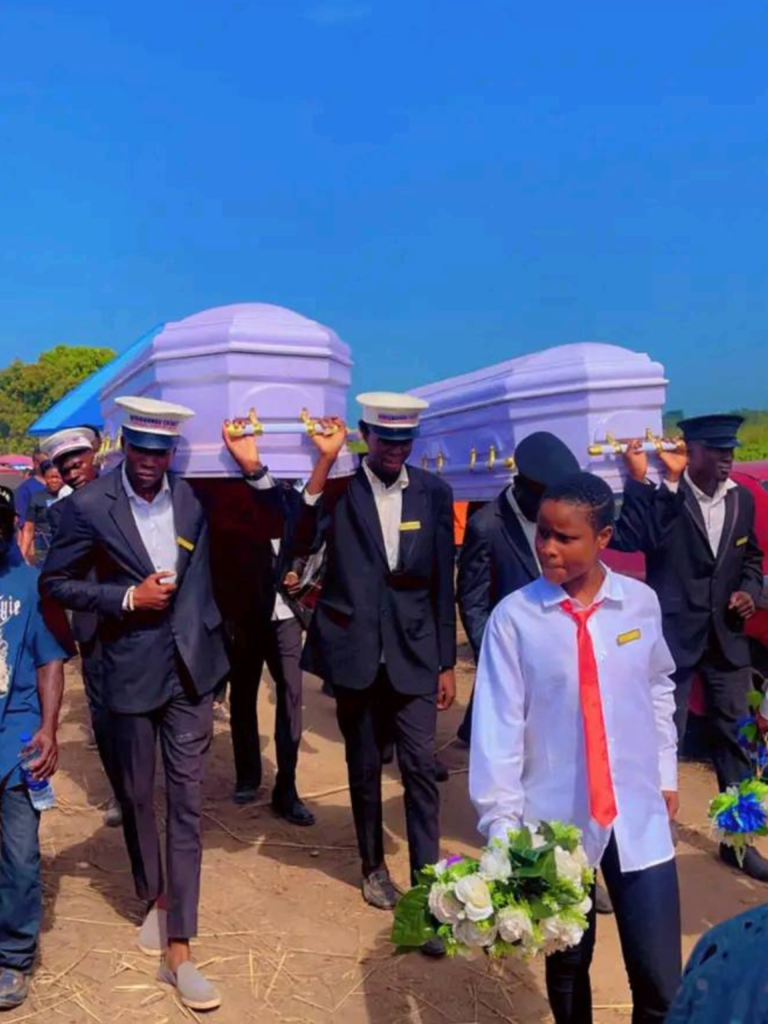
Patoranking Sister and Brother-in-law Burial
The couple was laid to rest on Saturday, November 23, 2024, in their hometown, Uburu, Ebonyi State. Patoranking’s first public statement about the tragedy came on Monday, November 25, through a heartfelt message on his Instagram story. He simply wrote, “Only heaven knows”.
Fans and fellow celebrities have offered their condolences and support to the grieving artist. Some reactions to Patoranking’s post include:
“Village people 😢😢😢 sorry bro 😎.”
“Private life is very important, move to that new house and tell them you rent it . E get why.”
“May there soul rest in peace.”
“Sorry bro stay strong.”
“May their souls rest in perfect peace.”
“Explosion how?”
This heartbreaking incident serves as a stark reminder of the fragility of life. The outpouring of support for Patoranking highlights the impact this tragedy has had on many.
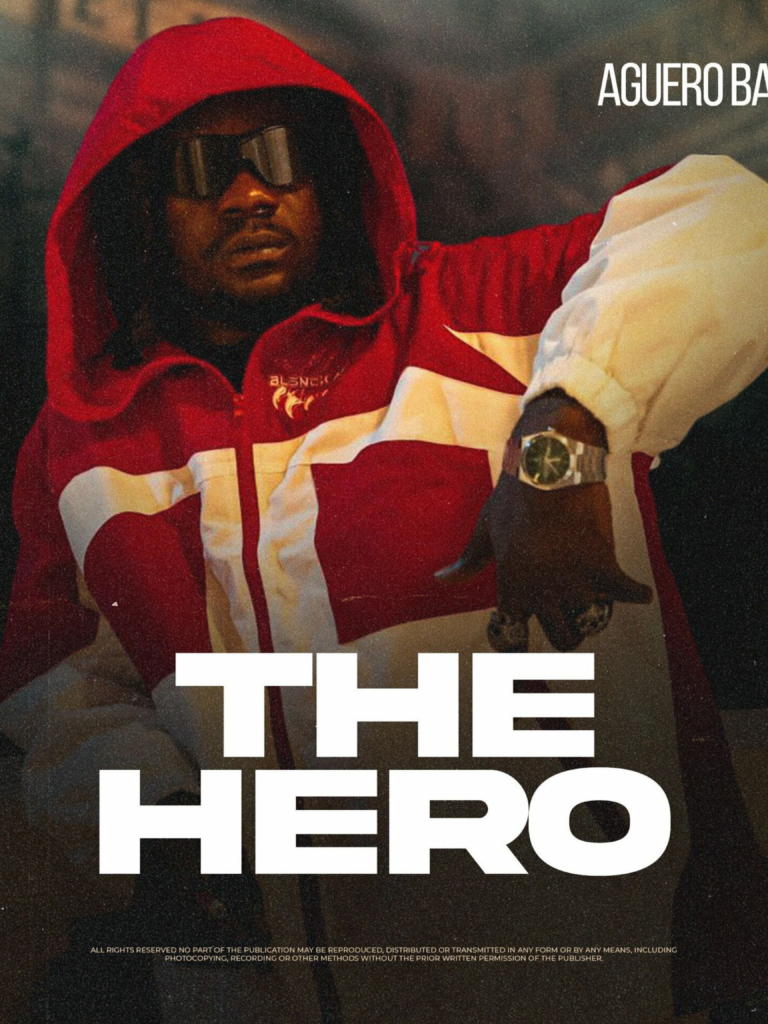
Aguero Banks, a rising star hailing from Enugu State, Nigeria, has taken the music world by storm with the release of his debut album, “The Hero.” This powerful body of work, imbued with themes of resilience, determination, and triumph, is a testament to Aguero’s unwavering spirit and remarkable journey from humble beginnings to musical success.
Early Life and Musical Beginnings
Born Chukwu Francis, Aguero Banks’ story is one of defying the odds. Growing up in Enugu, he found solace and inspiration in music, honing his skills and nurturing his passion for rap. His early experiences shaped his artistry, infusing his music with authenticity and a profound connection to his roots.
Aguero’s breakthrough came with the release of his EP, “God Is Never Late,” a project that showcased his lyrical prowess and unique storytelling ability. The EP resonated with listeners, particularly those who could relate to his experiences of overcoming adversity and striving for a better life. This success propelled him out of his neighbourhood and onto a larger stage, establishing him as a symbol of hope for aspiring artists.
The Hero: A Testament to Resilience and Triumph
Aguero Banks: The Hero
“The Hero” is more than just an album; it’s a sonic narrative of Aguero’s personal evolution and a celebration of the human spirit’s ability to rise above challenges. The album’s title is particularly poignant, echoing the moniker bestowed upon him by his community. As he states in the standout track “HERO,” “The hood named me the Hero,” signifying the recognition of his journey and the inspiration he embodies.
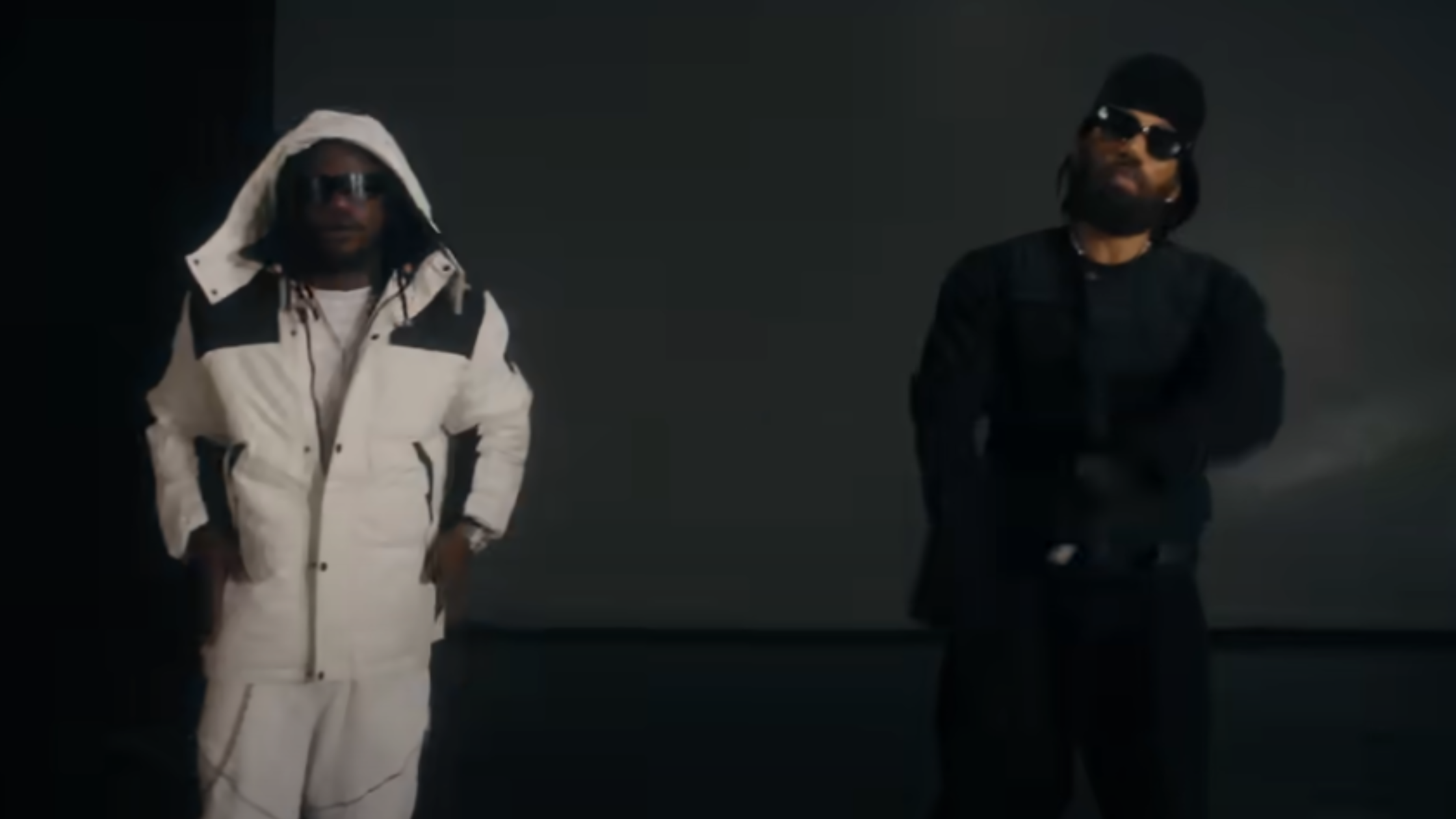
This collaborative track, featuring the legendary Phyno, serves as the album’s centrepiece, a powerful anthem that encapsulates Aguero’s rise from the streets. The song is a masterful blend of modern hip-hop and authentic storytelling, with Aguero’s raw verses complemented by Phyno’s seasoned delivery. The production is top-tier, seamlessly blending traditional Afrobeat elements with contemporary rap influences, creating a dynamic and captivating soundscape.
Beyond “HERO,” the album explores themes of brotherhood and loyalty, values deeply ingrained in Aguero’s character. Tracks like “ONYIKO” and “MY BROTHER,” featuring Reekado Banks, highlight the importance of supporting one another through life’s trials and triumphs. These songs underscore Aguero’s commitment to unity and camaraderie, both in his music and his personal life.
Cultural Influences and Musical Fusion
Aguero Banks remains deeply connected to his cultural heritage, infusing his music with rich elements that celebrate his roots. Tracks like “GHETTO GOSPEL,” featuring King Perry, exemplify this fusion, blending Afrobeat, rap, and traditional sounds to create a unique and vibrant sonic tapestry.
“The Hero” is not just a testament to Aguero’s personal journey but also a celebration of his community and his unwavering determination to succeed against all odds. The album has garnered significant acclaim, topping the Apple Music Album Chart in Nigeria, further solidifying Aguero Banks’ position as a rising force in the music industry.
Looking Ahead: A Bright Future for Aguero Banks
With “The Hero,” Aguero Banks has made a resounding statement, solidifying his place as an artist to watch in the Nigerian music scene and beyond. His music is a beacon of hope, inspiration, and resilience, resonating with audiences who connect with his authentic storytelling and unwavering spirit.
As he continues to create and share his music with the world, Aguero Banks’ journey is one that promises continued growth, creativity, and a powerful message of triumph over adversity. With more music videos and collaborations on the horizon, “The Hero” is just the beginning of a remarkable musical odyssey for this talented artist.
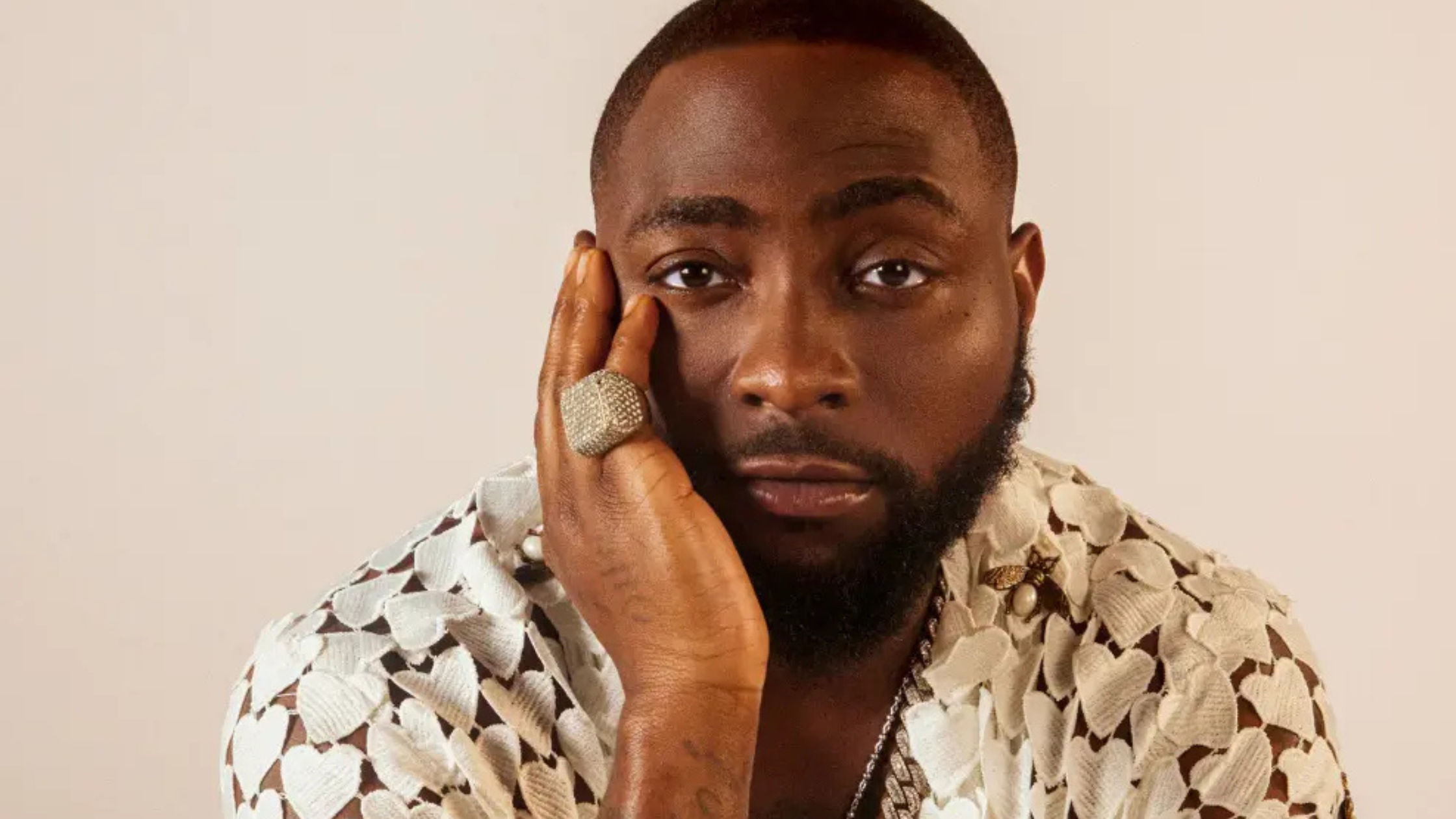
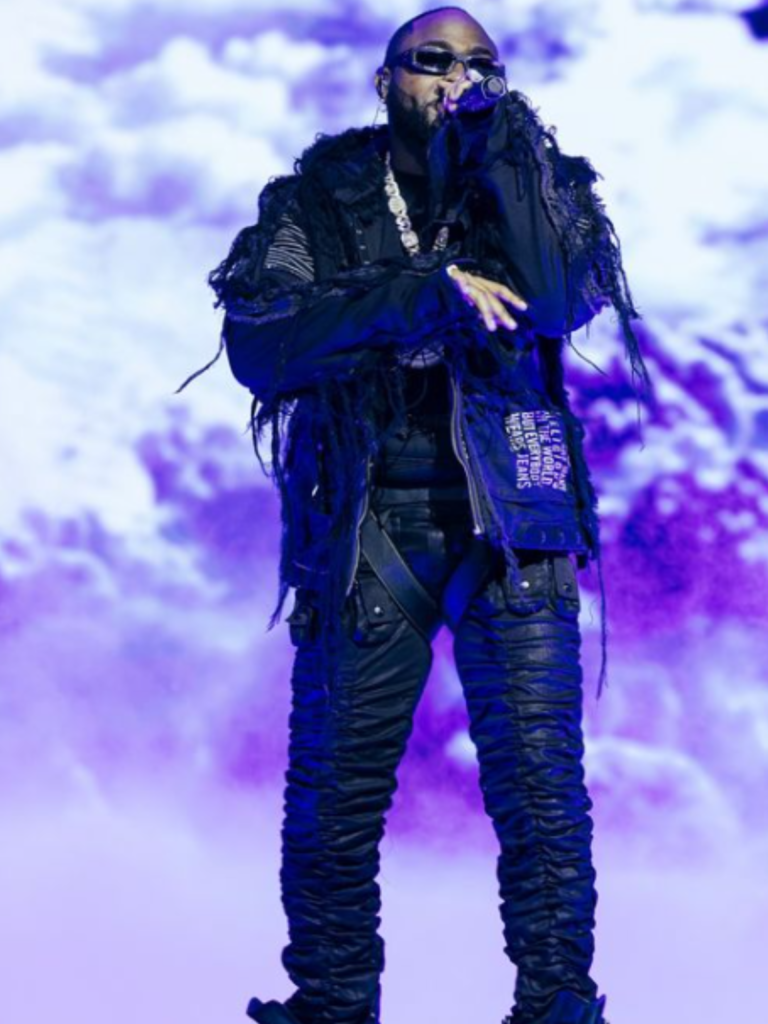
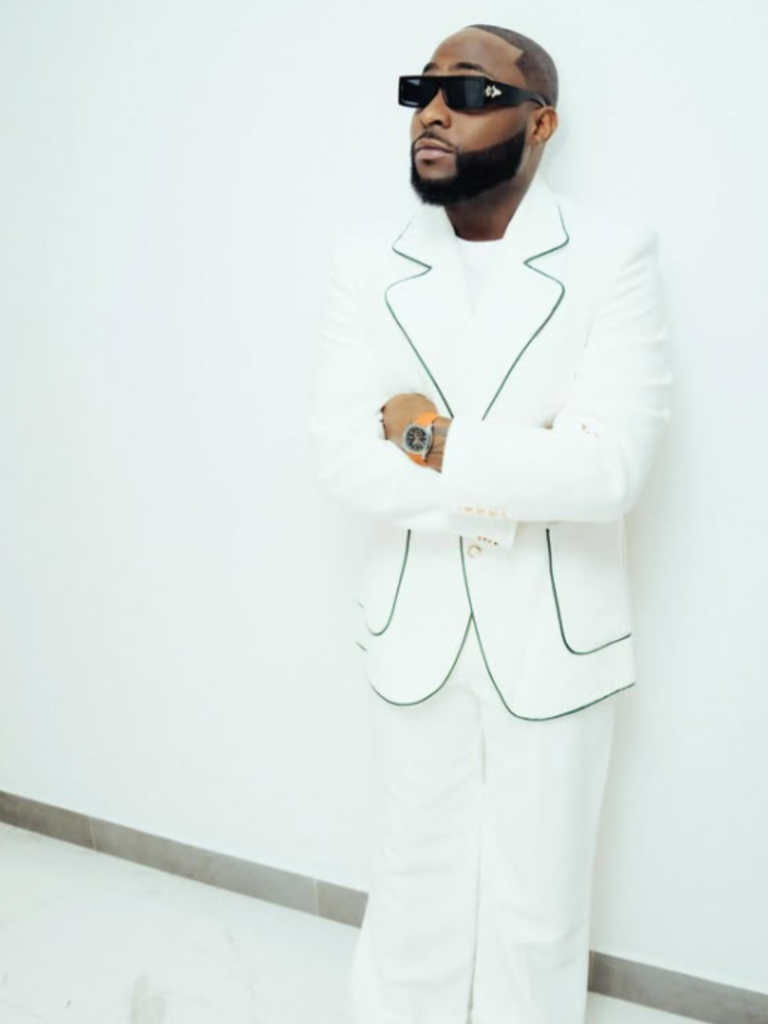
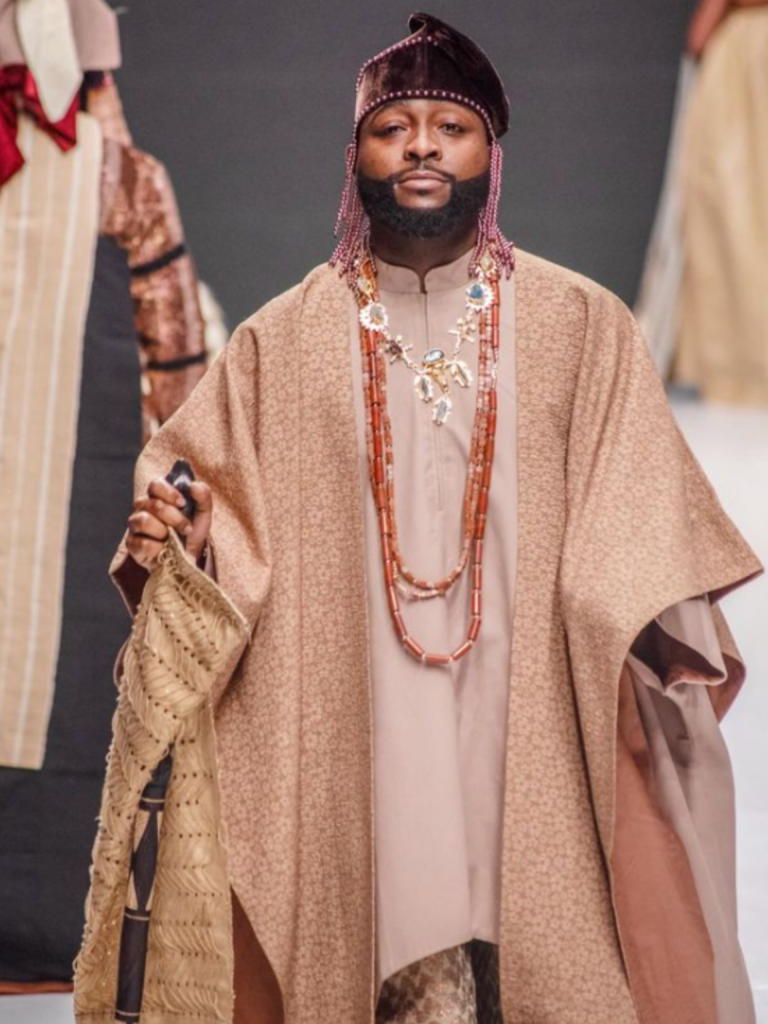
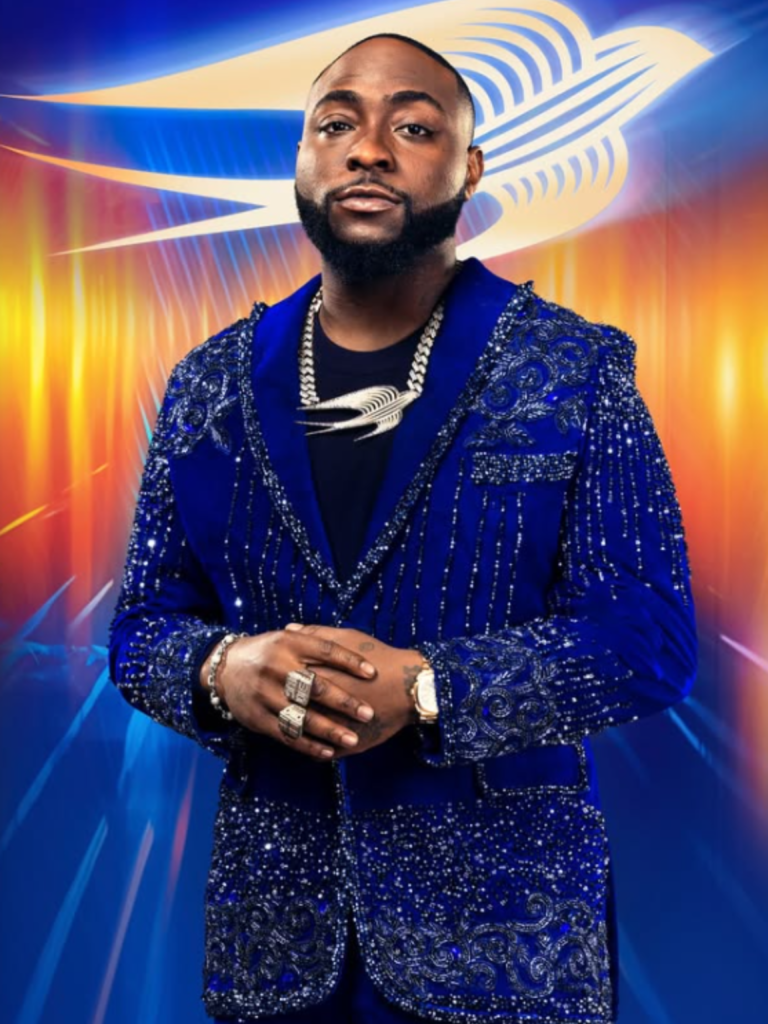
Davido, the name echoes across continents, synonymous with infectious beats, energetic performances, and a global musical phenomenon that is Afrobeats. But how did this young artist from Lagos, Nigeria, rise to international fame, captivating audiences worldwide? Let’s explore the remarkable journey of David Adedeji Adeleke, better known as Davido, and understand his impact on the global music scene.
Family Ties and Musical Beginnings
Credit: https://www.instagram.com/davido/
Davido’s story is intertwined with his family background. Born in Atlanta, Georgia, he was raised in Lagos, Nigeria, in a family of considerable wealth and influence. His father, Adedeji Adeleke, is a prominent billionaire businessman, and his family connections extend to politics, with his uncle serving as a former governor and senator. This background undeniably provided Davido with advantages, including financial support, access to industry networks, and early exposure to the music world.
As a teenager, Davido’s passion for music began to blossom. He started his musical journey in America, honing his skills as a backup singer for his cousin, Sina Rambo, who was then a rising rapper in the US. This early experience, facilitated by his family ties, provided him with valuable insights into the music industry. Returning to Nigeria, he further explored his musical inclinations, forming the group KB International with his cousins B-Red and Sina Rambo, marking the beginning of a collaborative musical journey shaped by familial bonds.
Although Davido’s family wealth afforded him a privileged upbringing, it also came with a unique set of challenges. His decision to pursue music, a path often seen as unconventional for someone from his background, was initially met with resistance. He enrolled at Oakwood University in Alabama to study Business Administration, a decision that seemed to align with his family’s expectations. However, the pull of music proved irresistible, and he eventually left Oakwood to dedicate himself fully to his passion, relocating to London to further develop his vocal abilities.
Upon his return to Nigeria, he faced another crossroads. Honouring his father’s wishes, he enrolled at Babcock University. Remarkably, his father’s commitment to his son’s musical aspirations led him to fund the establishment of an entire music department at Babcock, specifically for Davido. This act underscored the family’s support and recognition of his talent, and in 2015, Davido graduated with a degree in music.
Who is Davido father?
Davido’s father is Adedeji Adeleke. He is a billionaire businessman from Nigeria. Adedeji Adeleke also financed the creation of a music department at Babcock University, specifically for Davido to attend.
Who is Davido’s wife?
Davido’s wife is Chioma Rowland Adeleke. They were married in June 2024 in Lagos.
Who is Davido’s sister?
Davido’s real sister is Sharon Ademefun. She is Davido’s elder sister and is married to businessman Yomi Ademefun. She no longer uses the surname Adeleke. Davido has at least one sister, as he is the youngest of five siblings and the second-born son.
Who is Davido’s manager?
Asa Asika is a prominent Nigerian talent manager widely recognized for managing the music career of Davido, one of Africa’s biggest music stars. Born into a family with deep roots in the Nigerian entertainment industry, Asa Asika began his career at a young age and quickly made a name for himself.
He co-founded The Plug, a multifaceted entertainment company involved in talent management, music publishing, licensing, distribution, and more. Under his guidance, Davido’s career has flourished, making him an influential figure in the Afrobeats genre and global music scene. Asa Asika is known for his keen industry insight and ability to nurture and promote talents effectively.
Who is Davido’s mother?
Davido’s mother was Vero Adeleke. She was a university lecturer. She passed away in 2003.
Who is Davido’s uncle?
Davido’s uncle is Isiaka Adeleke. He was a former Governor of Osun State and a Senator of the Federal Republic of Nigeria.
Who is Davido’s brother?
The sources specifically mention one of Davido’s brothers: Adewale Adeleke. He and Davido co-owned the record label HKN Music. We know from other sources that Davido has at least one other brother because the sources state that he is the youngest of five siblings and the second son born to his father.
A Star is Born: “Dami Duro” and Early Success
Credit: https://www.instagram.com/davido/
The year 2011 marked a turning point in Davido‘s career. He released his debut single, “Back When,” featuring Naeto C, a track that gained significant attention and marked his arrival on the Nigerian music scene. However, it was his second single, “Dami Duro,” released later that year, that catapulted him to national stardom. This energetic track, with its catchy lyrics and vibrant beat, resonated with audiences across Nigeria, establishing him as a major force in the burgeoning Afrobeats genre.
“Dami Duro” served as a precursor to his debut studio album, Omo Baba Olowo, released in 2012. The album, a fusion of Afrobeats and hip-hop, showcased Davido’s versatility and lyrical prowess. It included a string of successful singles like “Back When,” “Ekuro,” “Overseas,” and “All of You,” solidifying his position as one of Nigeria’s hottest musical prospects. The success of Omo Baba Olowo garnered critical acclaim, earning him the prestigious Next Rated award at The Headies in 2012, a significant milestone in his career.
International Breakthrough and Global Recognition
The years following his debut album saw Davido consistently delivering hit after hit, solidifying his place at the top of the Nigerian music industry and extending his reach beyond national borders. Tracks like “Gobe,” “One of a Kind,” “Skelewu,” and “Aye,” released between 2013 and 2015, became anthems across the continent, captivating audiences with their infectious energy and captivating rhythms. Davido’s music transcended cultural boundaries, captivating audiences with its vibrant blend of traditional African sounds and contemporary global influences.
His international breakthrough gained further momentum with strategic collaborations. Teaming up with South African duo Mafikizolo on “Tchelete (Goodlife)” in 2014, and later featuring American rapper Meek Mill on “Fans Mi” in 2015, Davido showcased his ability to seamlessly blend musical styles and appeal to a diverse audience. These collaborations not only broadened his musical horizons but also introduced Afrobeats to a new global listener base.
Recognising his potential and rising global appeal, Sony Music signed Davido to a record deal in January 2016, a landmark achievement for an Afrobeats artist. This deal marked a turning point, not only for Davido’s career but for the entire genre, as it signified the growing recognition and acceptance of Afrobeats on the international music stage.
Davido, ever the entrepreneur, didn’t stop at signing with a major label. In a strategic move to further cultivate Afrobeats talent, he established his own record label, Davido Music Worldwide (DMW), later that year. The label became a platform for nurturing the next generation of Afrobeats stars, signing promising artists like Dremo, Mayorkun, Peruzzi, and Liya. DMW’s success not only solidified Davido’s influence within the music industry but also underlined his commitment to the growth and global expansion of Afrobeats.
In July 2016, he further expanded his international presence by signing a record deal with Sony’s RCA Records, a move that further solidified his position as a global music powerhouse. He released the five-track EP Son of Mercy in October of the same year, featuring collaborations with Simi, Tinashe, and Nasty C, showcasing his ability to seamlessly blend his sound with diverse musical influences.
Breaking Records and Charting New Territories
Credit: https://www.instagram.com/davido/
The year 2017 brought a new wave of success for Davido. He released two singles, “If” and “Fall,” that would go on to become global sensations. “If” garnered widespread acclaim and was certified diamond by the Recording Industry of South Africa. “Fall,” however, achieved a truly historic feat, becoming the longest-charting Nigerian pop song in Billboard history, a testament to the global reach and impact of Afrobeats.
Davido’s achievements extended beyond chart success. He was recognised for his influence and contributions to African music, winning the Best African Act at the 2017 MOBO Awards and at the 2017 MTV Europe Music Awards. In 2018, he created history again by becoming the first African artist to receive the BET Award for Best International Act on the main stage, using his platform to encourage global engagement with Africa.
His second studio album, A Good Time, released in November 2019, was a culmination of years of hard work, creative exploration, and global collaborations. The album featured a mix of previously released hits like “If,” “Fall,” and “Assurance,” alongside new tracks, showcasing his musical evolution and ability to connect with a diverse audience.
Davido continued to break barriers in 2019, becoming the first solo African artist to sell out the iconic O2 Arena in London, a feat that highlighted the growing international demand for Afrobeats music and solidified his position as one of the genre’s leading global ambassadors.
Continued Success and Philanthropic Endeavours
Credit: https://www.instagram.com/davido/
The momentum continued with the release of his third studio album, A Better Time, in November 2020. The album, featuring collaborations with artists like Lil Baby, Nicki Minaj, Nas, Chris Brown, and Young Thug, demonstrated his global reach and influence, further solidifying his position as a leading figure in Afrobeats.
Beyond his musical accomplishments, Davido has also become known for his philanthropic endeavours. In November 2021, he launched a unique fundraising campaign on social media, asking his colleagues and fans to donate one million naira each. The campaign garnered significant attention and resulted in him raising over N250 million, which he generously donated to orphanages across Nigeria. This act of generosity cemented his image as not just a successful musician but also a compassionate individual committed to giving back to his community.
In 2022, he made history once again, becoming the first Nigerian artist to be featured on a FIFA World Cup song, lending his voice to “Hayya Hayya (Better Together)” alongside Trinidad Cardona and Aisha, showcasing Afrobeats on one of the world’s biggest stages. His fourth studio album, Timeless, released in March 2023, further cemented his musical legacy. Featuring collaborations with a diverse range of artists, including Skepta, Angelique Kidjo, and Asake, the album experimented with various musical styles while retaining the core elements of Afrobeats that have come to define his sound.
Conclusion
Davido’s journey from a young music enthusiast to a global superstar is a testament to his talent, dedication, and entrepreneurial spirit. He has not only achieved personal success but has also played a pivotal role in propelling Afrobeats to international prominence. His music, collaborations, and achievements have broken down barriers, shattered stereotypes, and introduced the vibrant sounds of Africa to a global audience. His story serves as an inspiration to aspiring artists worldwide, demonstrating that with passion, perseverance, and a commitment to one’s craft, dreams can indeed become a reality. As Afrobeats continues its ascent on the world stage, Davido stands tall as a pioneer, an innovator, and a true ambassador for his genre and his continent.
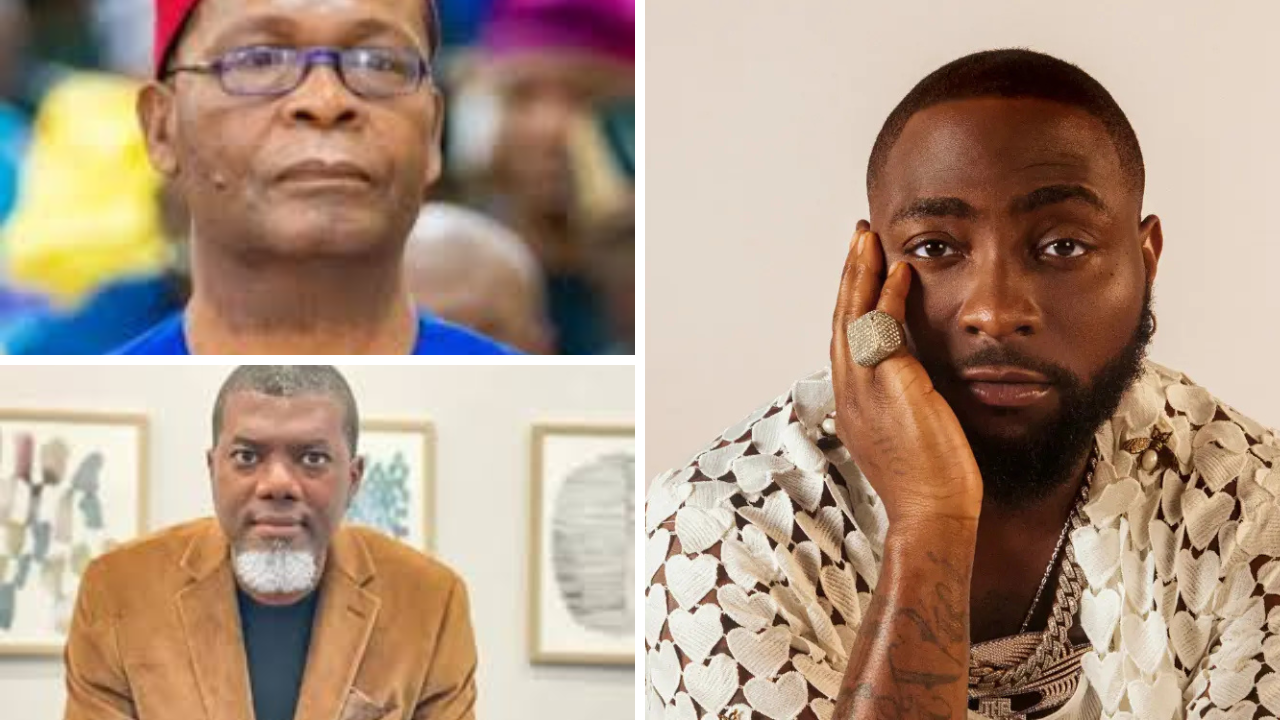
When Afrobeat’s superstar Davido called Nigeria’s economy a “shambles” on the popular US podcast “The Big Homies House,” he probably didn’t expect the firestorm that followed. Back home in Nigeria, reactions were mixed. Some applauded his honesty, seeing it as a wake-up call. Others, like APC chieftain Joe Igbokwe, felt he’d crossed a line. Igbokwe even called for Davido to retract his statement, reminding him that “Nigeria made Davido.” So, what’s the real story here? Is it simply a case of differing opinions, or does this controversy reveal something deeper about how we talk about our country, especially on the global stage?
Numbers vs. Reality: Is Nigeria’s Economy Really in “Shambles?”
Let’s be clear: Davido’s concerns weren’t baseless. He pointed to the struggling exchange rate, the high cost of oil in an oil-producing nation, and issues with leadership—challenges many Nigerians face daily. But former presidential aide Reno Omokri offered a starkly different perspective. Armed with statistics, he countered Davido’s claim, highlighting Nigeria’s impressive 35% return on investment (the highest globally!) and a GDP growth rate exceeding previous years. He even cited a Bloomberg report detailing a $2.5 billion investment from a global meat giant as proof of international confidence in Nigeria’s potential.
So, who’s right? It’s tempting to pick a side—optimism or pessimism—but the reality is likely somewhere in between. Data can offer valuable insights, but it doesn’t always capture the lived experiences of everyday Nigerians. To understand the true state of the economy, we need to listen to diverse voices—market traders, farmers, entrepreneurs, and young people—whose stories might not make it into economic reports.
Love it or Leave it? Rethinking Patriotism in the Age of Social Media
The backlash against Davido raises another important question: What does it mean to be patriotic? Can you love your country and still be critical of its shortcomings? Igbokwe’s assertion that Davido owed Nigeria a positive portrayal suggests a view of patriotism that prioritises unwavering support, even in the face of challenges. But is that truly patriotic, or does it stifle progress by silencing dissent? True patriotism, perhaps, lies in acknowledging both the good and the bad—celebrating achievements while pushing for change where it’s needed.
The fact that this debate played out on social media adds another layer of complexity. Platforms like Twitter have become battlegrounds for national conversations, often amplifying divisions. While social media can facilitate dialogue, it can also lead to echo chambers where dissenting voices are drowned out.
Joe Igbokwe’s Criticism of Davido: Patriotism and Economic Realities in Nigeria
Joe Igbokwe’s criticism of Davido was prompted by Davido’s statement on an American podcast that the Nigerian economy is “in shambles.” Igbokwe, a chieftain of the All Progressives Congress, viewed this statement as detrimental to Nigeria’s image and urged Davido to retract it. His reaction, “Nigeria made Davido,” highlights two key points of contention:
Patriotism and National Image: Igbokwe seems to believe that public figures like Davido have a responsibility to portray Nigeria in a positive light, especially on international platforms. By highlighting the country’s economic struggles, Igbokwe may have felt that Davido was being disloyal to his homeland and potentially discouraging investment or tourism. This perspective aligns with the criticism from Bashir Ahmad, who called Davido’s comments “disappointing and unpatriotic”.
Conflicting Perspectives on Economic Realities: Igbokwe’s stance suggests a belief that Davido’s assessment of the Nigerian economy is exaggerated or inaccurate. While he doesn’t explicitly provide evidence to counter Davido’s claims, his comment implies that Davido’s success is somehow proof of Nigeria’s economic viability. This perspective contrasts with the detailed economic arguments presented by Reno Omokri, who listed several indicators to support his view that Nigeria’s economy is not in shambles.
Igbokwe’s reaction can be seen as a reflection of the broader debate in Nigeria about how to address economic challenges while maintaining a sense of national pride. It raises questions about the role of public figures in discussing sensitive issues and the potential consequences of openly criticising the country, even when those criticisms stem from genuine concerns.
Omokri’s Counter-Arguments to Davido’s Economic Assessment
Reno Omokri presented a range of economic indicators to challenge Davido’s claim that the Nigerian economy is “in shambles”. These indicators aimed to show positive economic trends and potential for growth, directly contradicting Davido’s concerns about factors like exchange rates and oil prices.
Here are the key economic indicators Omokri used in his argument, as detailed in the sources:
High Return on Investment: Citing the Economist Intelligence Unit, Omokri stated that Nigeria currently boasts the highest return on investment (ROI) worldwide at 35%. This suggests a favourable environment for businesses and investors, contradicting the idea of a struggling economy.
Positive Ratings from Credit Agencies: Omokri pointed to upgrades for Nigeria’s economy by both Fitch and S&P Global Ratings to a “Stable B” rating. These ratings, coming from influential international agencies, signal confidence in Nigeria’s economic stability and management.
GDP Growth: Omokri highlighted Nigeria’s Gross Domestic Product (GDP) growth of 3.19% in the second quarter of 2024, surpassing growth rates from both the previous year and the preceding quarter. This positive trend in GDP growth counters the narrative of an economy in decline.
Rising Foreign Reserves: Attributing it to increased capital inflow, Omokri noted that Nigeria’s foreign reserve reached a year-to-date high of $40 billion in November 2024. This signifies a strengthening financial position for the country and a greater ability to weather economic challenges.
Strong Non-Oil Revenue: Omokri emphasized that Nigeria earned ₦10.33 trillion in non-oil revenue in the first eight months of 2024, exceeding the year’s target by 43.4%. This robust performance in non-oil sectors indicates a diversification of the economy and reduced reliance on oil revenue.
Increased Foreign Exchange Inflow: Omokri cited a 67.8% rise in net foreign exchange inflow into Nigeria’s economy, reaching $27.6 billion in the first half of 2024. He attributed this increase, in part, to the National Security Adviser’s efforts to curb leakages, particularly from Binance. This suggests improved financial management and a more attractive environment for foreign investment.
New Financial Products and Investments: Omokri highlighted the introduction of American Express’s first business credit card in Nigeria, the O3 American Express Gold Business Card. He linked this development to Nigeria’s liberalised monetary and fiscal policy, portraying it as a sign of growing confidence in the country’s financial sector. Further strengthening his argument, Omokri cited a Bloomberg report about a $2.5 billion investment by JBS SA, the world’s largest meat producer, in Nigeria, marking its first venture into Africa. He presented this as a clear indication of global confidence in Nigeria’s economic potential, despite acknowledged challenges.
Positive Reforms and Private Sector Growth: Omokri lauded President Tinubu’s signing of the 2023 Electricity Bill, which aims to dismantle the federal monopoly in the power sector and empower states and private entities. He argued that this reform has spurred private investments, citing a collective estimated growth of $1.8 billion in the net worth of entrepreneurs in Nigeria’s power sector.
International Recognition of Reforms: Omokri drew upon a statement by Kristalina Georgieva, the Managing Director of the International Monetary Fund, who praised Nigeria’s economic reforms as “decisive” during the G20 Summit. He presented this as evidence of growing international recognition of Nigeria’s positive economic trajectory.
In addition to these indicators, Omokri also mentioned Meta (Facebook) introducing monetisation for Nigerian content creators, the Nigeria Customs Service breaking its daily revenue record, and Wizkid’s album achieving significant streams on Spotify Nigeria as further evidence of positive economic activity.
Through this comprehensive list of indicators, Omokri sought to present a contrasting view of the Nigerian economy, portraying it as dynamic, growing, and attracting investment, contrary to Davido’s assessment of an economy in “shambles”.
Davido’s Response to Criticism: A Subdued “God Bless Nigeria”
Following the backlash to his statements about the Nigerian economy being “in shambles,” Davido offered a somewhat muted response. He tweeted, “God bless Nigeria 🇳🇬,” which can be interpreted in several ways.
Possible Conciliation: The tweet might be seen as a gesture of appeasement towards those who found his initial comments unpatriotic or damaging to Nigeria’s image. It could be a way of reaffirming his love for his country despite his concerns about its economic situation.
Shifting Focus: The tweet might also be an attempt to move the conversation away from his critique of the economy and onto a more unifying sentiment. By invoking a blessing for Nigeria, he could be trying to redirect the focus towards hope and positivity.
Ambiguity: The brevity and lack of direct engagement with the criticism make Davido’s response open to interpretation. It doesn’t clarify whether he stands by his initial assessment of the economy, nor does it address the points raised by his critics. This ambiguity allows individuals to interpret his tweet in line with their own perspectives on the issue.
It’s worth noting that Davido’s tweet does not explicitly mention the criticism he received. It’s possible that he felt pressured to make a statement in response to the negative reactions, particularly from prominent figures like Joe Igbokwe and Bashir Ahmad.
Ultimately, Davido’s “God bless Nigeria” tweet can be seen as a strategic response to navigate a complex situation where he faced accusations of being unpatriotic while holding onto his personal views about the country’s economic challenges.
Beyond the Headlines: A Call for Nuance and Collective Action
It’s easy to get caught up in the back-and-forth of online arguments, but what’s more important is finding ways to address the real issues at hand. How can Nigeria build a more inclusive and sustainable economy that benefits all its citizens? This requires a shift from blame and finger-pointing to a focus on collaborative solutions. Policymakers, business leaders, and everyday Nigerians all have a role to play in shaping a brighter future.
Ultimately, Davido’s “shambles” comment, while controversial, has sparked a much-needed conversation about Nigeria’s economic realities and the nature of patriotism in the digital age. It’s a conversation that demands nuance, empathy, and a willingness to listen to perspectives that challenge our own. Only then can we move beyond the headlines and work towards building a Nigeria that lives up to its potential.
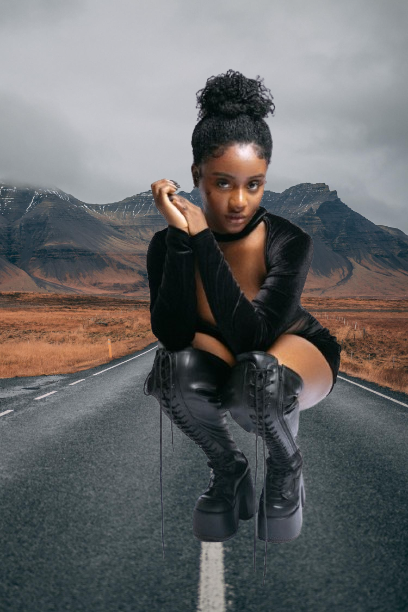
Get ready to be blown away by Bloody Civilian, a rising star straight outta Nigeria who’s making waves in the Afro-fusion scene! With her powerful vocals and unique sound, she’s captivating audiences worldwide. You might recognize her from her killer track “Wake Up” on the “Black Panther: Wakanda Forever” soundtrack, or maybe you’ve already heard her breakthrough single “How to Kill a Man.” Either way, trust me, you need to get to know this incredible artist.
So, who is Bloody Civilian? Let’s dive into her musical journey, explore her influences, and uncover the powerful messages she weaves into her music.
Bloody Civilian
From Abuja to the World: A Musical Journey Begins
Bloody Civilian, whose real name is Emoseh Khamofu, grew up surrounded by music in Abuja, Nigeria. Her dad was a touring musician before becoming an engineer, and music was always pumping through their home. From a young age, she was soaking up the sounds of blues, jazz, African music, and everything in between.
But this girl wasn’t just listening, she was creating. At the age of eight, she started writing her own songs. Can you imagine that talent? She’d perform them for her parents (who were her biggest critics, by the way!), at church, and even at school talent shows.
And get this – at just 12 years old, she started teaching herself music production using an audio editing app. Talk about a natural! A couple of years later, she was crafting her own beats. Little did she know that these early explorations would lay the foundation for her incredible career.
“Bloody Civilian”: A Name That Speaks Volumes
Now, let’s talk about her stage name: Bloody Civilian. It’s not your typical artist name, right? Well, there’s a powerful meaning behind it. The name comes from a derogatory term used by the Nigerian military to refer to locals45. Heavy stuff, right?
But Bloody Civilian flipped the script. She took that negative term and turned it into a symbol of power and defiance45. It’s a statement, a declaration that she won’t be silenced or pushed aside. And that boldness resonates throughout her music.
Genre-Bending Sounds: A Fusion of Influences
So, what kind of music does Bloody Civilian make? Well, get ready for a wild ride because she refuses to be boxed in by any one genre! Her sound is a captivating blend of Afrobeats, R&B, pop, and even dancehall—all wrapped up in what she calls “Afro-fusion”.
Think of it as a sonic tapestry woven together with threads of her diverse influences. She draws inspiration from legends like Fela Kuti, Frank Ocean, Kid Cudi, and Nigerian stars like Cynthia Morgan and Aṣa. It’s a mix that’s both familiar and totally fresh, and it’s impossible not to move to.
“How to Kill a Man”: A Powerful Message Unleashed
One of Bloody Civilian’s most impactful tracks is “How to Kill a Man” — her debut single that made everyone sit up and listen. It’s a song that tackles misogyny and social injustice head-on but with a clever, satirical twist. It’s a powerful statement delivered with wit and a whole lot of attitude.
And “How to Kill a Man” is just the tip of the iceberg. In songs like “Where I Am From,” she shines a light on the political corruption in Nigeria and the impact it has on everyday people. She’s not afraid to call out the elephants in the room, and that’s what makes her music so compelling.
Conquering Wakanda: A Soundtrack Moment
Bloody Civilian’s talent exploded onto the global stage when her track “Wake Up” (featuring fellow Nigerian artist Rema) was featured on the “Black Panther: Wakanda Forever” soundtrack. Talk about a career-defining moment!
She even co-produced the track with the film’s composer, Ludwig Goransson. Can you imagine working with such a legend? It’s a testament to her incredible skill and the impact her music is having.
A Force to Be Reckoned With: The Future Is Bright
Bloody Civilian is more than just a musician; she’s a force for change. She’s using her platform to empower women, challenge norms, and amplify the voices of those who are often silenced.
“I just want to be the person who puts the megaphone on the elephant in the room everywhere I go,” she’s said. And she’s doing just that. Through her music, she’s inspiring others to speak up, fight for what’s right, and embrace their own power.
So, what’s next for Bloody Civilian? We can’t wait to see what she has in store for us! One thing’s for sure: she’s an artist who’s destined to leave a mark on the world. Her music is a testament to her talent, passion, and unwavering commitment to making a difference. Get ready world, Bloody Civilian is here to stay!
You might have heard whispers about this huge lawsuit involving Pastor Helen Ukpabio vs. Bloody Civilian. We’re talking a mind-blowing ₦200 billion in damages!
Let’s break down this complicated story together.
First things first, who are these people? Pastor Helen Ukpabio is a prominent figure in Nigeria, known for her teachings and films about witchcraft. Bloody Civilian is a singer making waves in the music scene. Now, their paths have collided in a very public and dramatic way.
It all started on social media, specifically on X (formerly Twitter), where Bloody Civilian dropped some serious accusations against Pastor Ukpabio. Bloody Civilian claimed that Pastor Ukpabio “literally made people burn their children alive” and had been “banned from the UK for her atrocities”.
Whoa! As you can imagine, Pastor Ukpabio is not happy about this. She’s filed a defamation lawsuit, saying these accusations are completely false and have severely tarnished her reputation.
But this situation is much bigger than just these two individuals. It brings up important issues like freedom of speech, the influence of social media, and the dangers of witchcraft accusations, which are sadly still a problem in parts of Nigeria.
So, let’s take a closer look at each of these angles and see if we can make sense of it all.
Bloody Civilian’s Accusations: Getting to the Heart of the Matter
Bloody Civilian didn’t hold back. She publicly accused Pastor Ukpabio, saying she was responsible for people harming children accused of witchcraft. Ouch! These accusations spread like wildfire online, sparking outrage and heated discussions.
It all began when an X user, #OneJoblessBoy, posted a photo of Pastor Ukpabio celebrating her 60th birthday. Bloody Civilian retweeted this post with the caption, “She literally made people burn their children alive”. She also alleged that Pastor Ukpabio had been “banned from the UK for her atrocities”.
Imabong, Pastor Ukpabio’s daughter, saw these accusations and publicly gave Bloody Civilian five hours to delete the post or face legal action. Things escalated quickly from there!
Pastor Ukpabio’s Counterattack: The Defamation Lawsuit Explained
Pastor Ukpabio and her legal team are standing their ground, insisting that these allegations are false and meant to harm her. They’ve launched a defamation lawsuit, demanding a public apology from Bloody Civilian and that massive ₦200 billion in damages. Now, defamation cases can be complex. To come out on top, Pastor Ukpabio will have to prove that Bloody Civilian intentionally made false statements that damaged her reputation.
Witchcraft Beliefs: A Sensitive and Serious Issue
This case draws attention to a deeply worrying issue: the persistence of witchcraft beliefs and accusations in Nigeria. These accusations can have terrible consequences, resulting in violence, abuse, and even the loss of life. It’s a complex problem intertwined with cultural beliefs, fear, and a lack of understanding.
Social Media: Turning Up the Volume on the Drama
We all know social media can be a powerful tool. In this case, it played a significant role in spreading the accusations and fanning the flames of controversy. It’s a good reminder that what we say online can have real-life consequences, and we should be careful about sharing information without verifying it first.
What Happens Next? The Unfolding of the Case and Its Implications
As of now, the lawsuit is still ongoing, and it will be fascinating to see how it plays out. Will it go to trial? What evidence will be presented? Only time will tell. However, regardless of the outcome, this case has started an important conversation about crucial issues that deserve our attention.
It reminds us that words have power, accusations should be based on facts, and we need to address the harmful impacts of witchcraft beliefs. Let’s hope this case leads to greater empathy, understanding, and fairness for everyone involved.
What are your thoughts on this situation? Share your views in the comments below!